Osa Peninsula
Costa Rica · peninsula
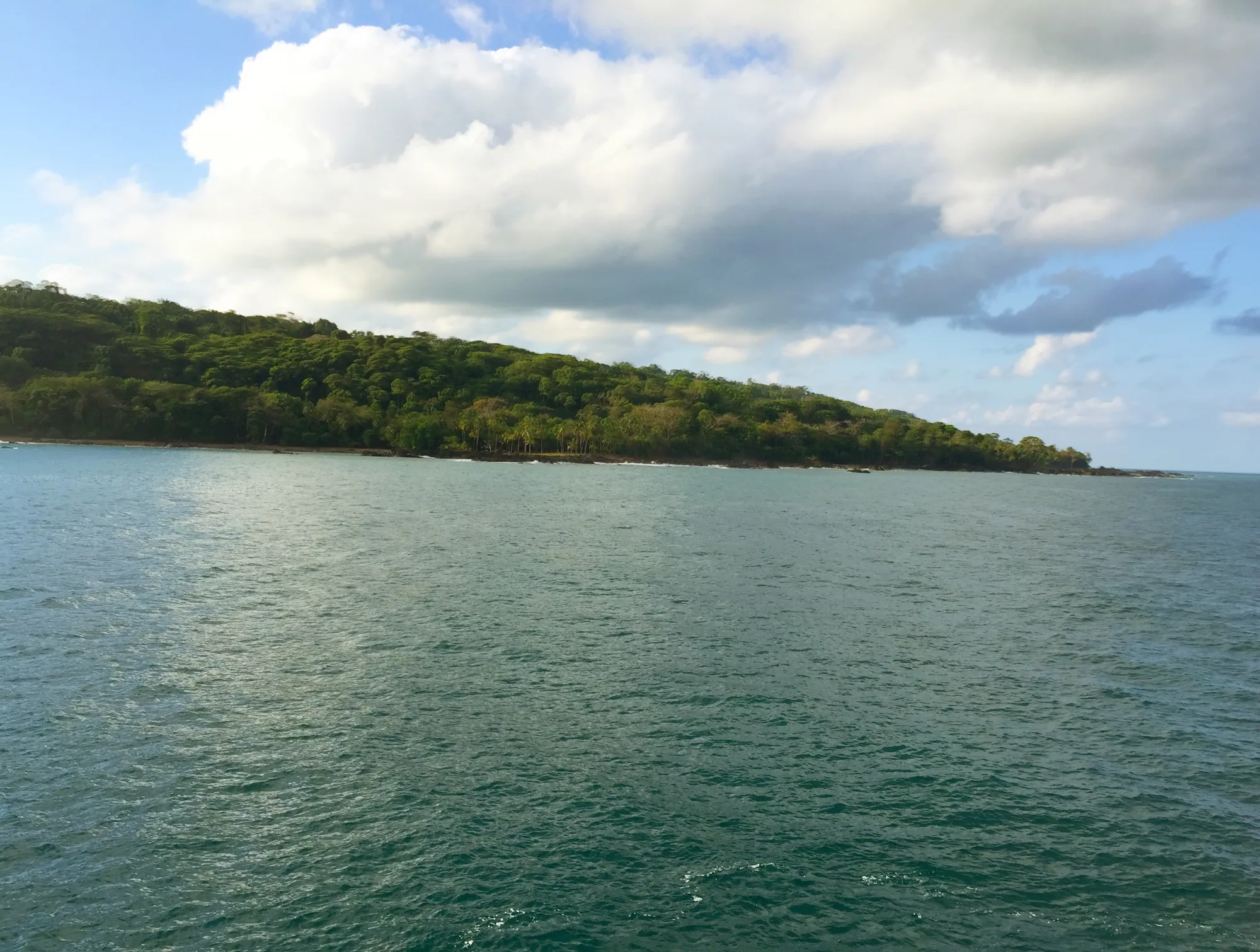
No gazetted boundary is drawn for Osa Peninsula, so the counts below cover an approximate area centred on 8.55°, -83.50°.
10 km zone · medium confidence · updated 41 days ago
Recorded in and around Osa Peninsula
- Species
- 4,264
- Grid cells
- 10,616
- Records
- 1,315,537
- Insects 3,589
- Birds 324
- Bony fish 158
- Reptiles 69
- Mammals 66
- Amphibians 50
- Sharks and rays 8
Species with at least one recorded territory whose grid cell centres fall in or near Osa Peninsula. Cells are up to 25 km across, so an animal counted here may have been recorded just outside the boundary. This is not a park checklist, and the counts follow where people look as much as what lives there.
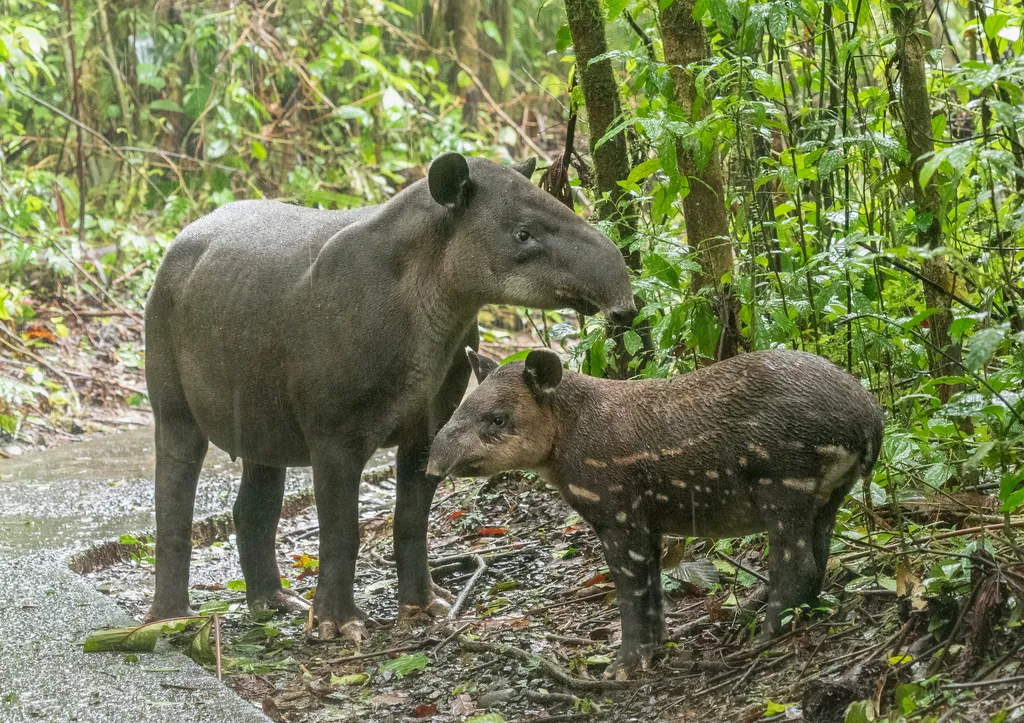
Baird's Tapir
Tapirus bairdii
Ancient forest engineer; patience is the only technique.
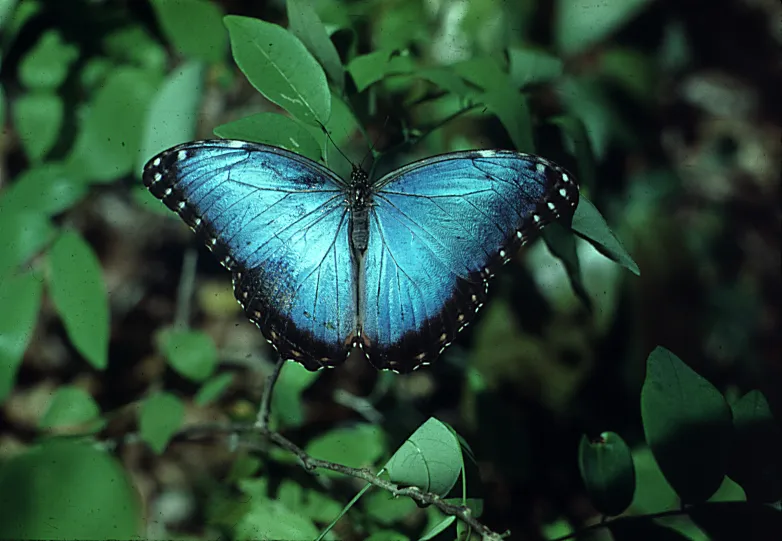
Blue Morpho
Morpho helenor
Electric blue flashes down forest paths, impossible to photograph in flight.
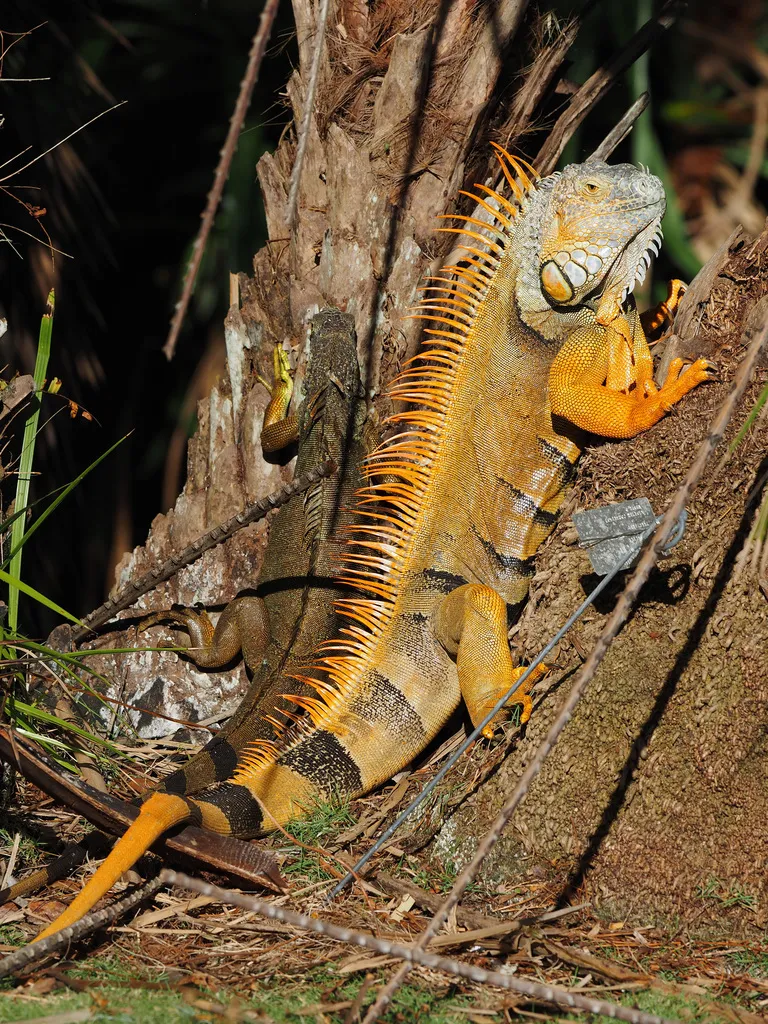
Green Iguana
Iguana iguana
Basking in the crowns of trees along slow rivers.
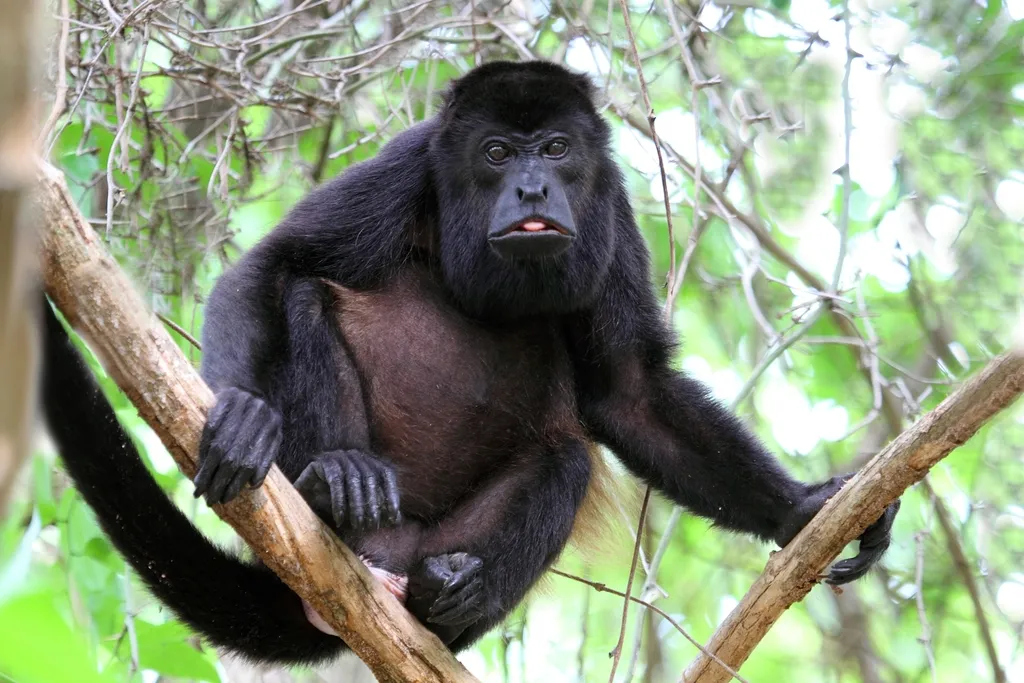
Mantled Howler Monkey
Alouatta palliata
The sound of the neotropics at first light.
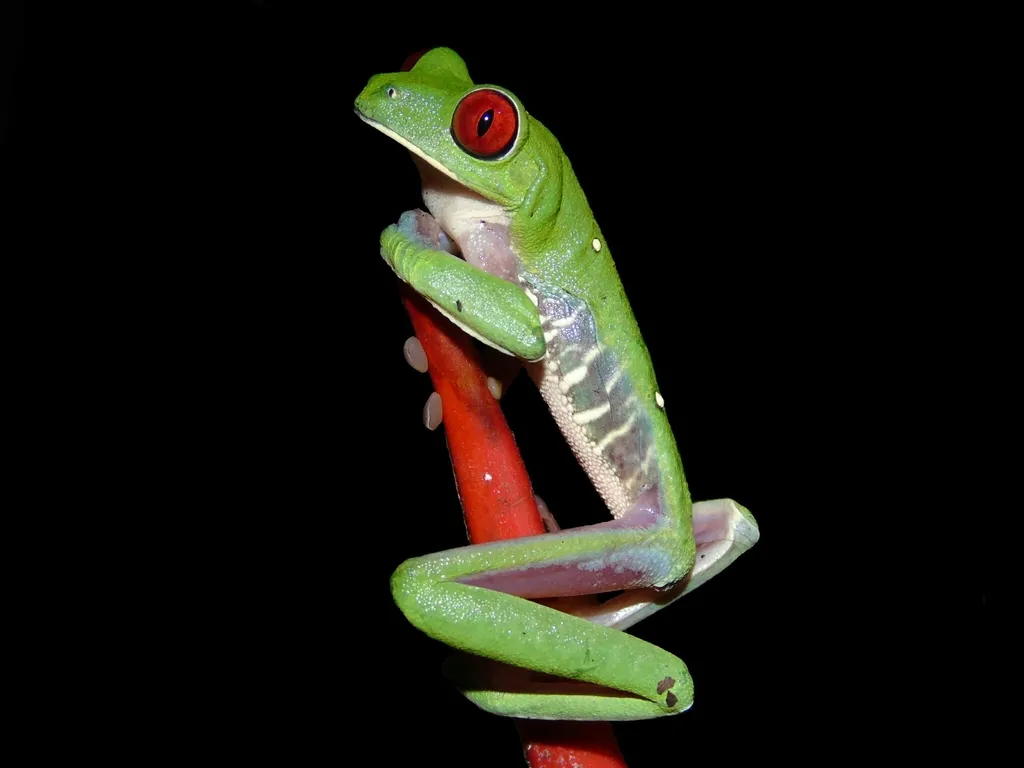
Red-eyed Tree Frog
Agalychnis callidryas
Night walks after rain, leaves at eye level.
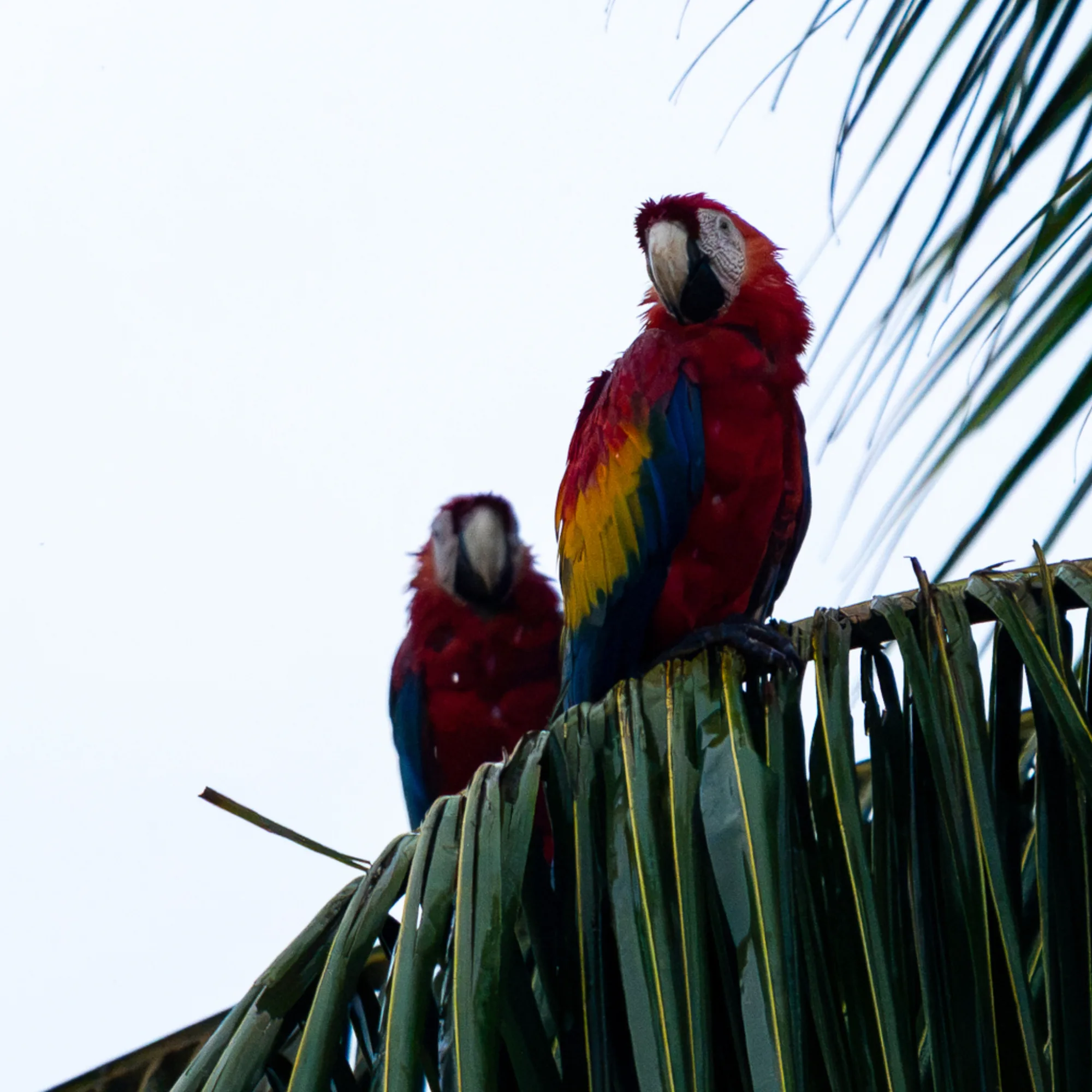
Scarlet Macaw
Ara macao
Pairs streaking above the beach almond trees at Carara.
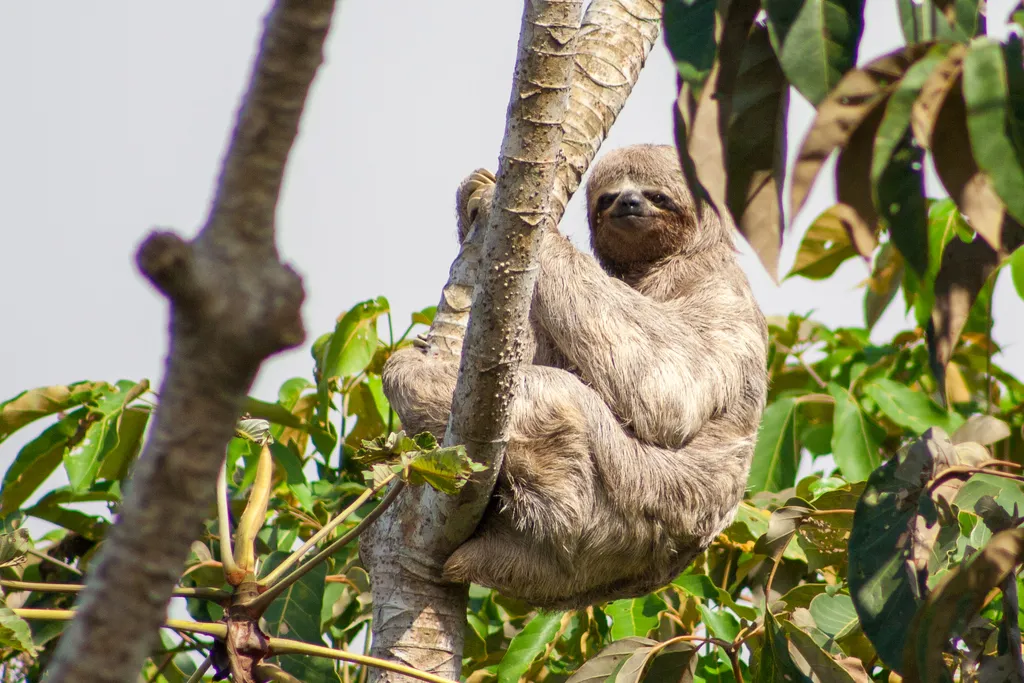
Three-toed Sloth
Bradypus variegatus
Slow-motion cecropia specialists: look up, then look up again.
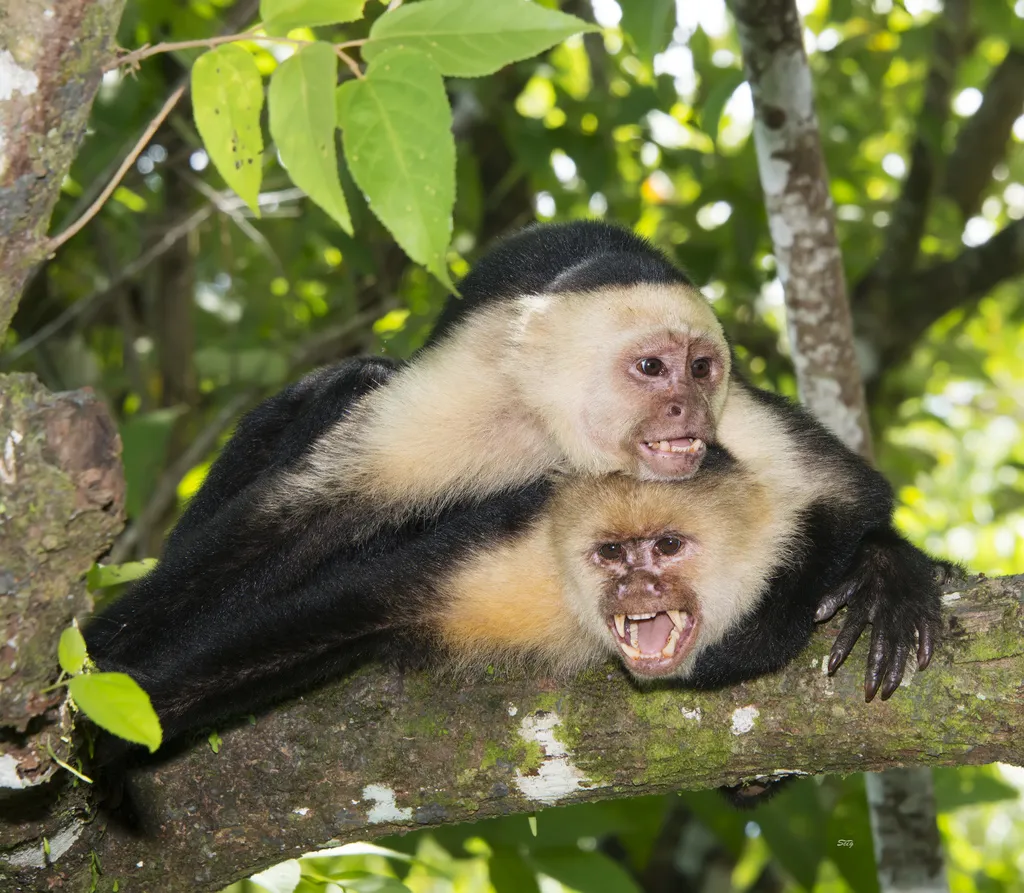
White-faced Capuchin
Cebus imitator
Clever, curious troops. Do not feed them, ever.
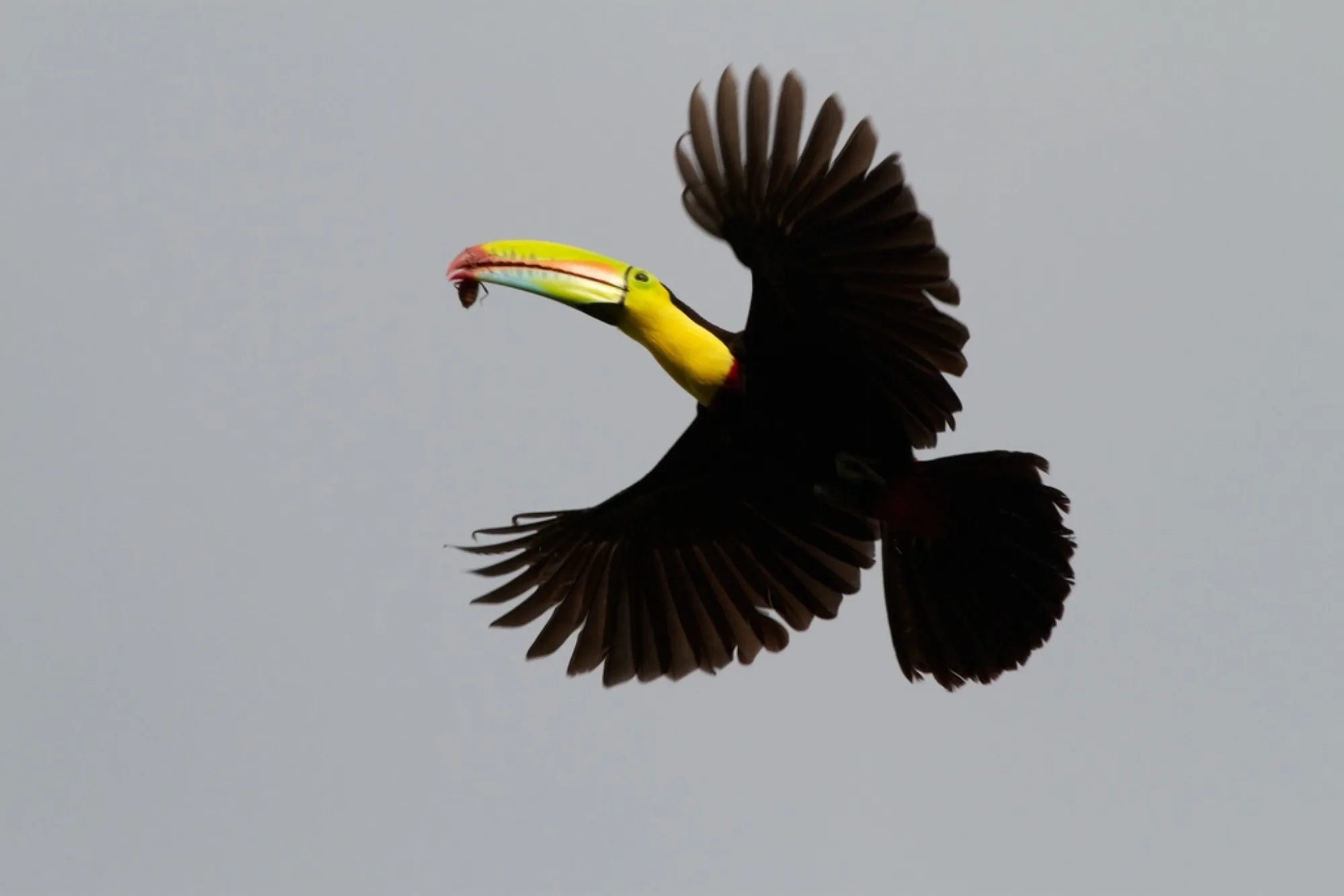
Keel-billed Toucan
Ramphastos sulfuratus
Improbable bill, croaking calls above the canopy.
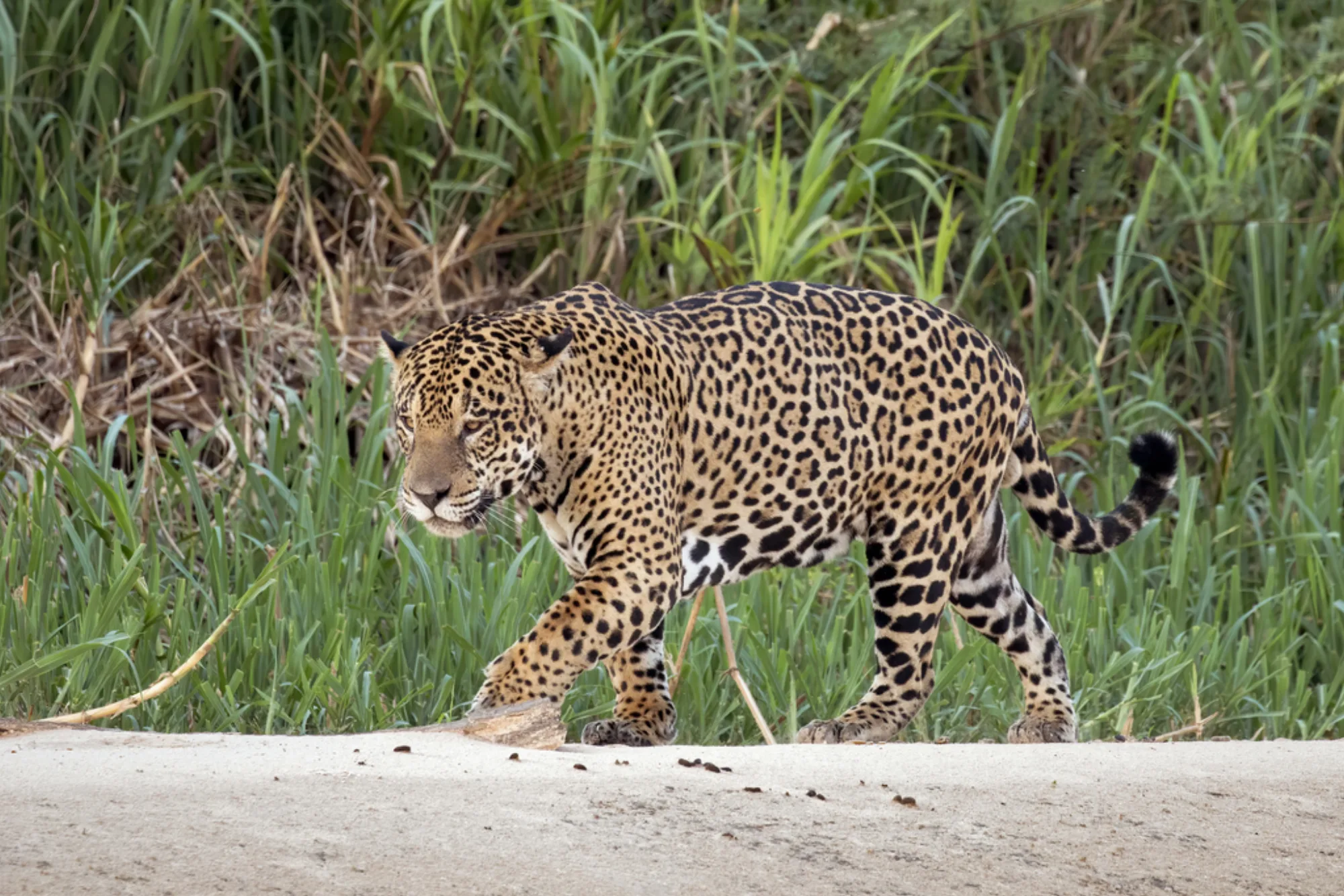
Jaguar
Panthera onca
Tracks along the beach at Corcovado; the animal itself is a gift.
Chances by species: Baird's Tapir, Blue Morpho, Green Iguana, Mantled Howler Monkey, Red-eyed Tree Frog, Scarlet Macaw, Three-toed Sloth, White-faced Capuchin, Keel-billed Toucan, Jaguar
Most recorded here
The species with the most open occurrence records in and around Osa Peninsula, among those a photograph exists for. Most recorded is not most numerous: it rewards animals that are common, conspicuous and live where people go.
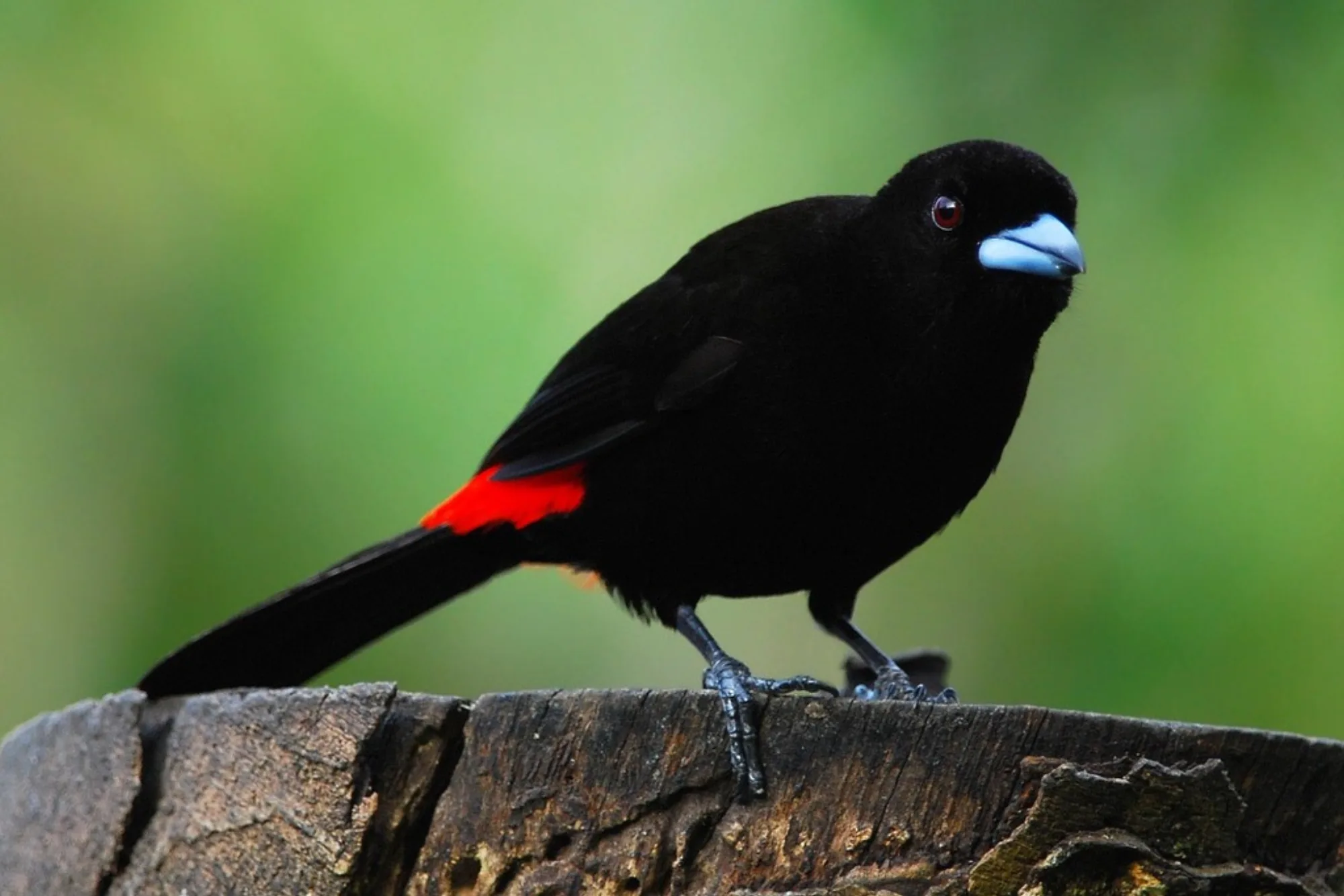
Passerini's Tanager
Ramphocelus passerinii
Scarlet Macaw
Ara macao
Pairs streaking above the beach almond trees at Carara.
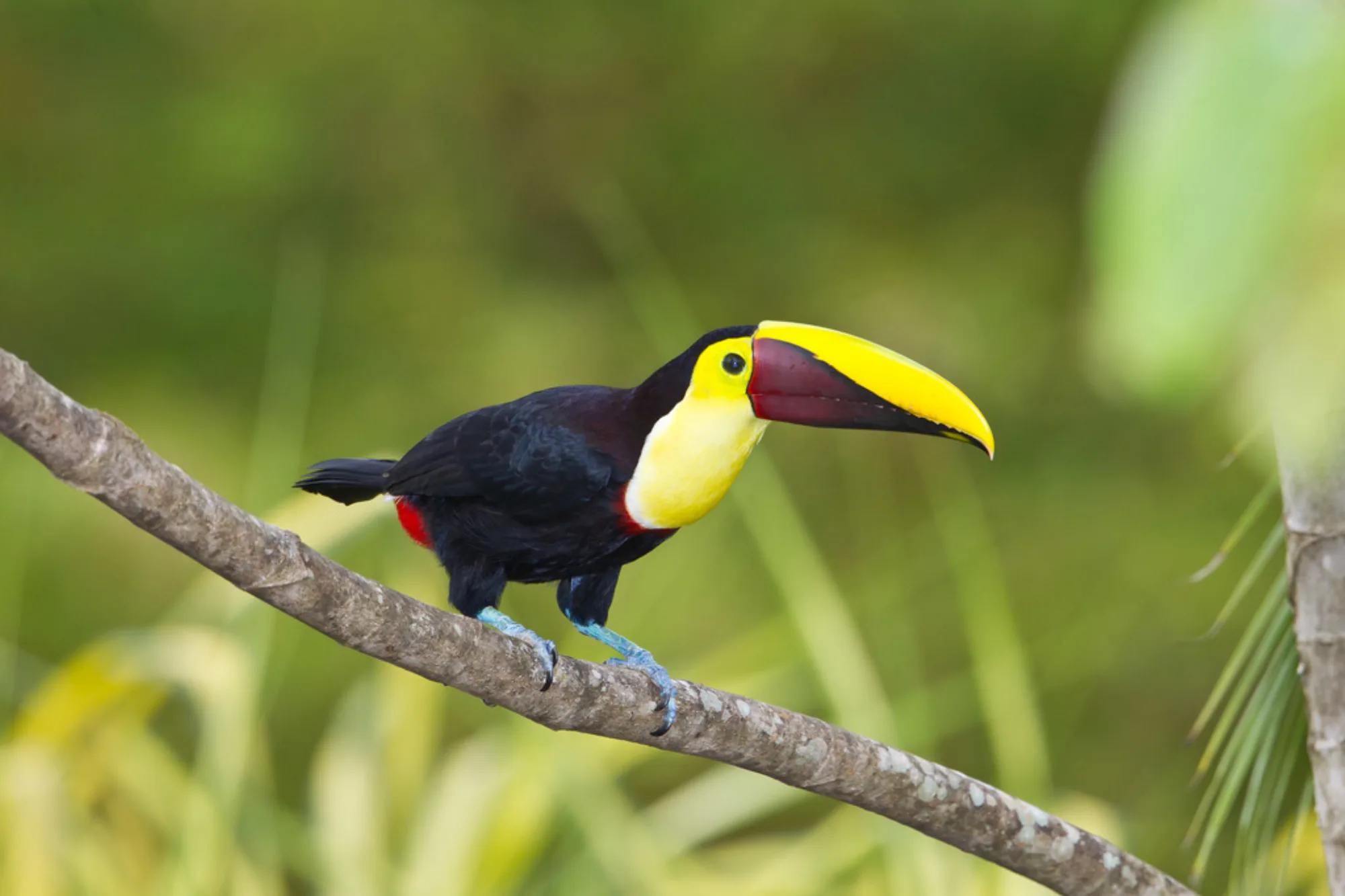
Yellow-throated Toucan
Ramphastos ambiguus
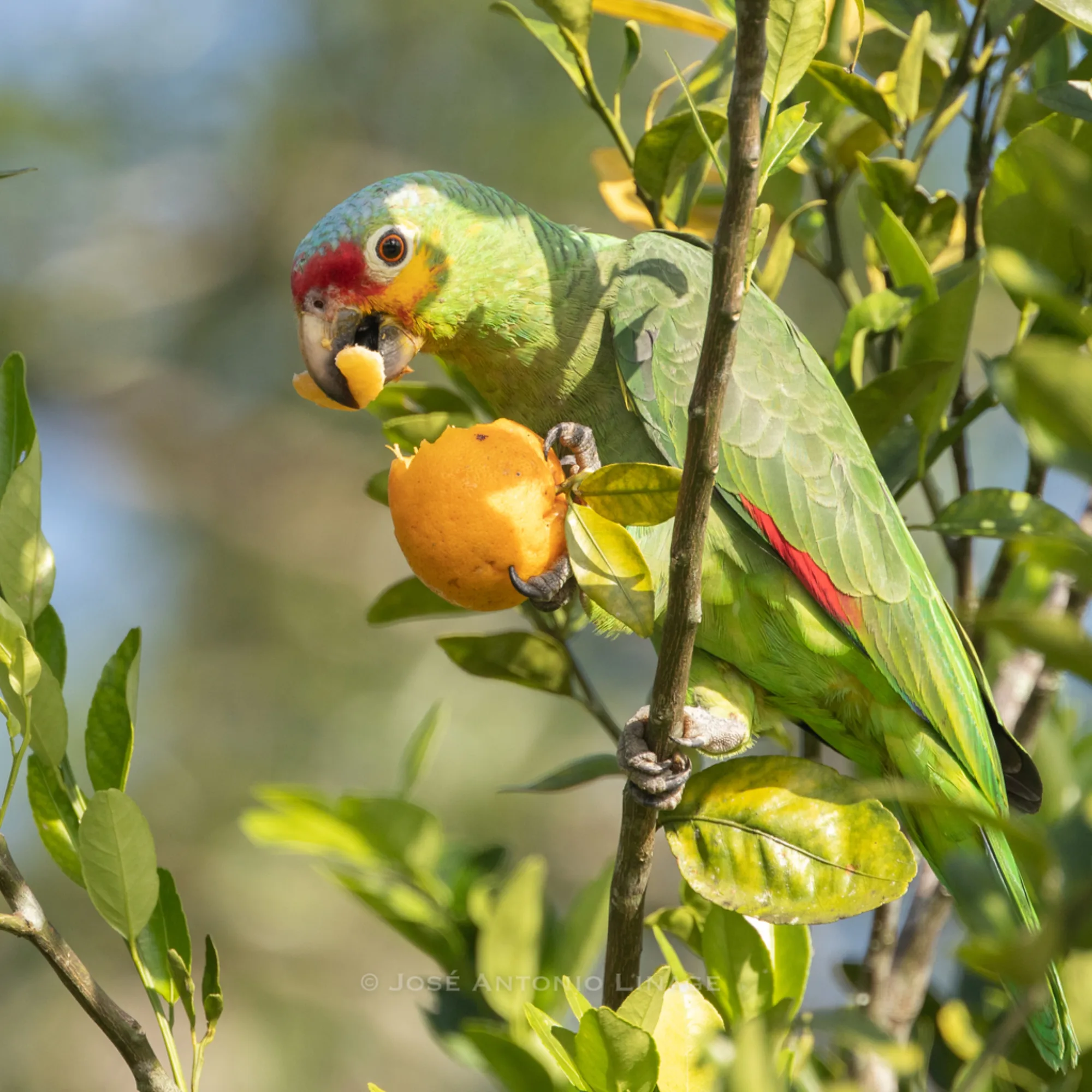
Red-lored Amazon
Amazona autumnalis
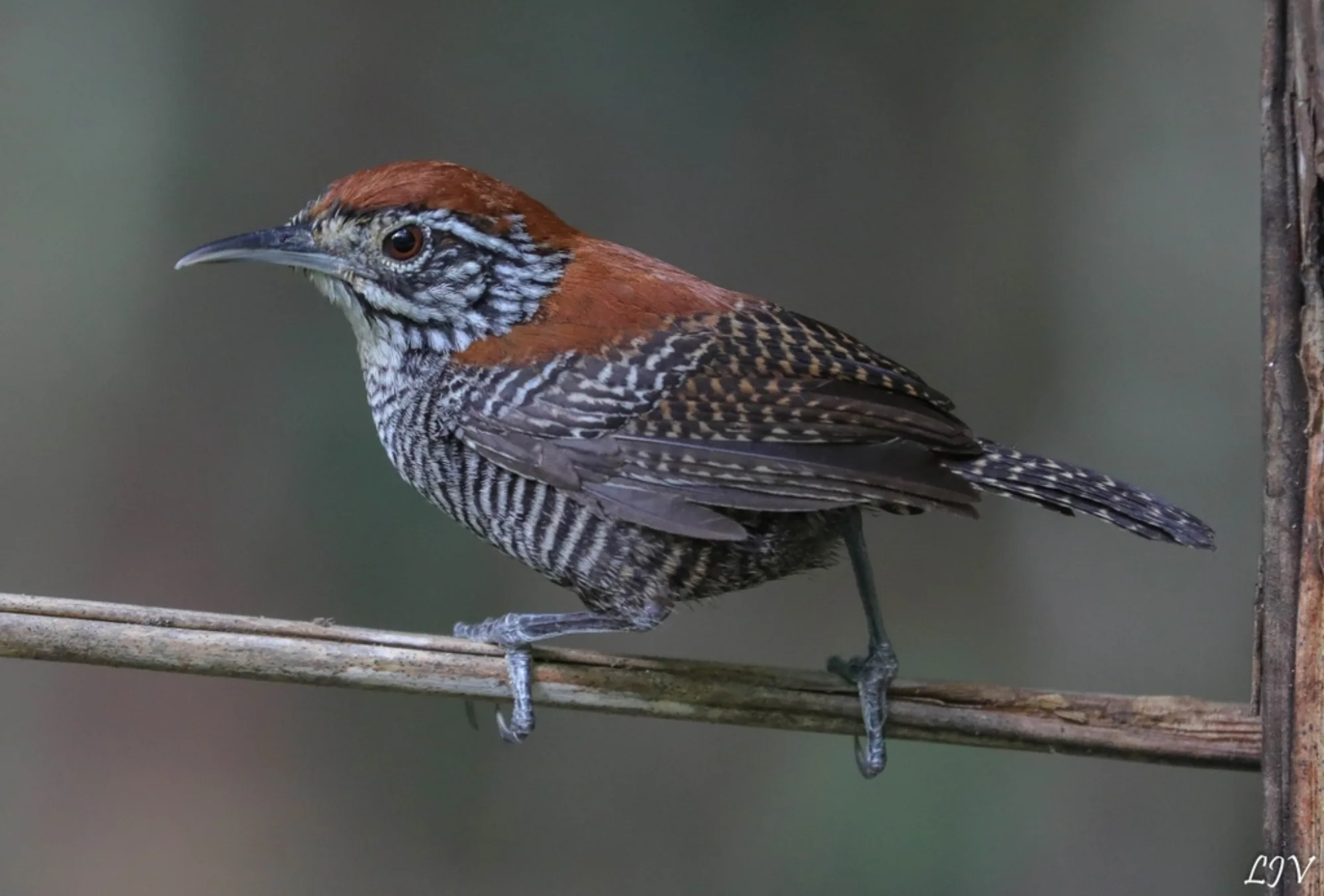
Riverside Wren
Cantorchilus semibadius
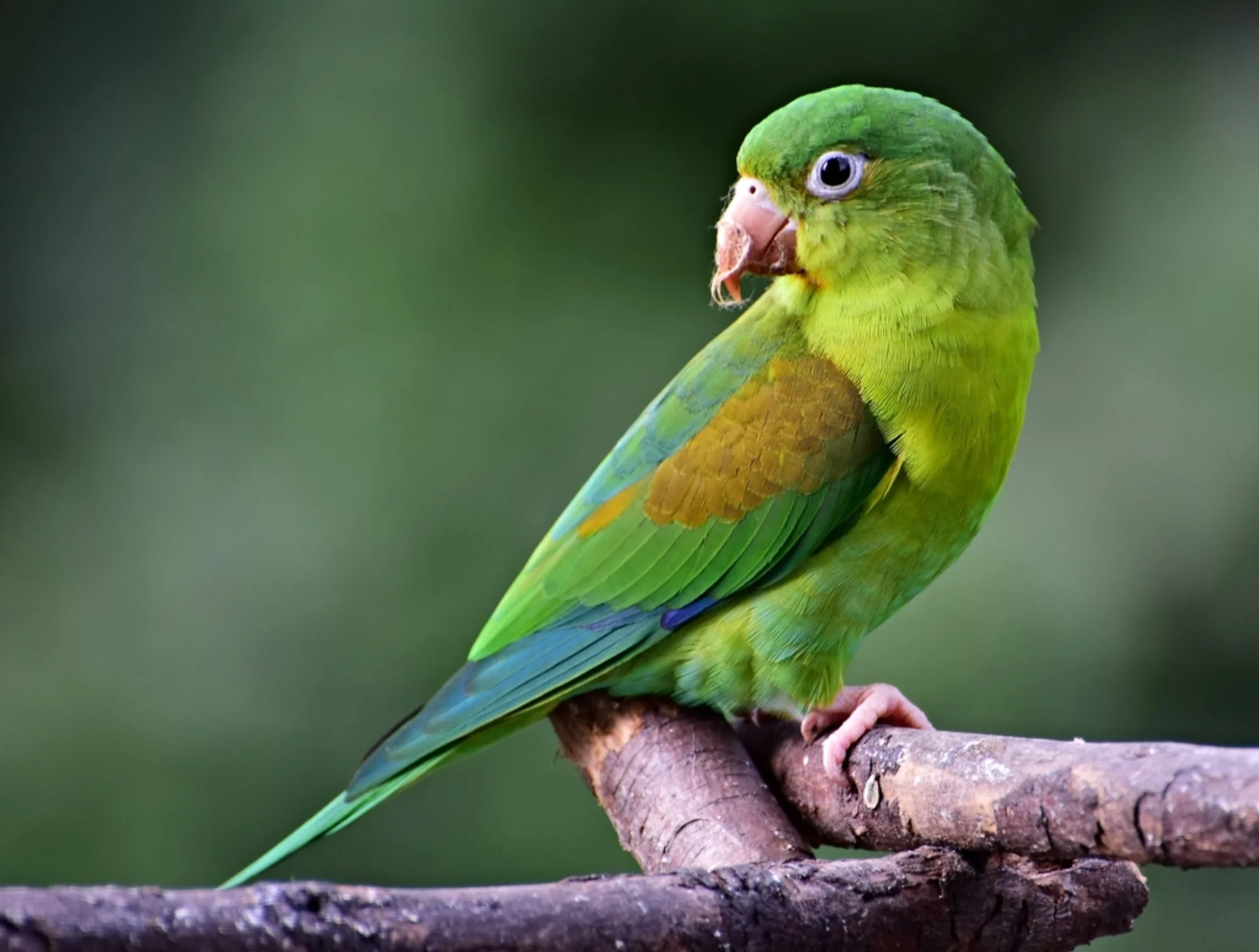
Orange-chinned Parakeet
Brotogeris jugularis
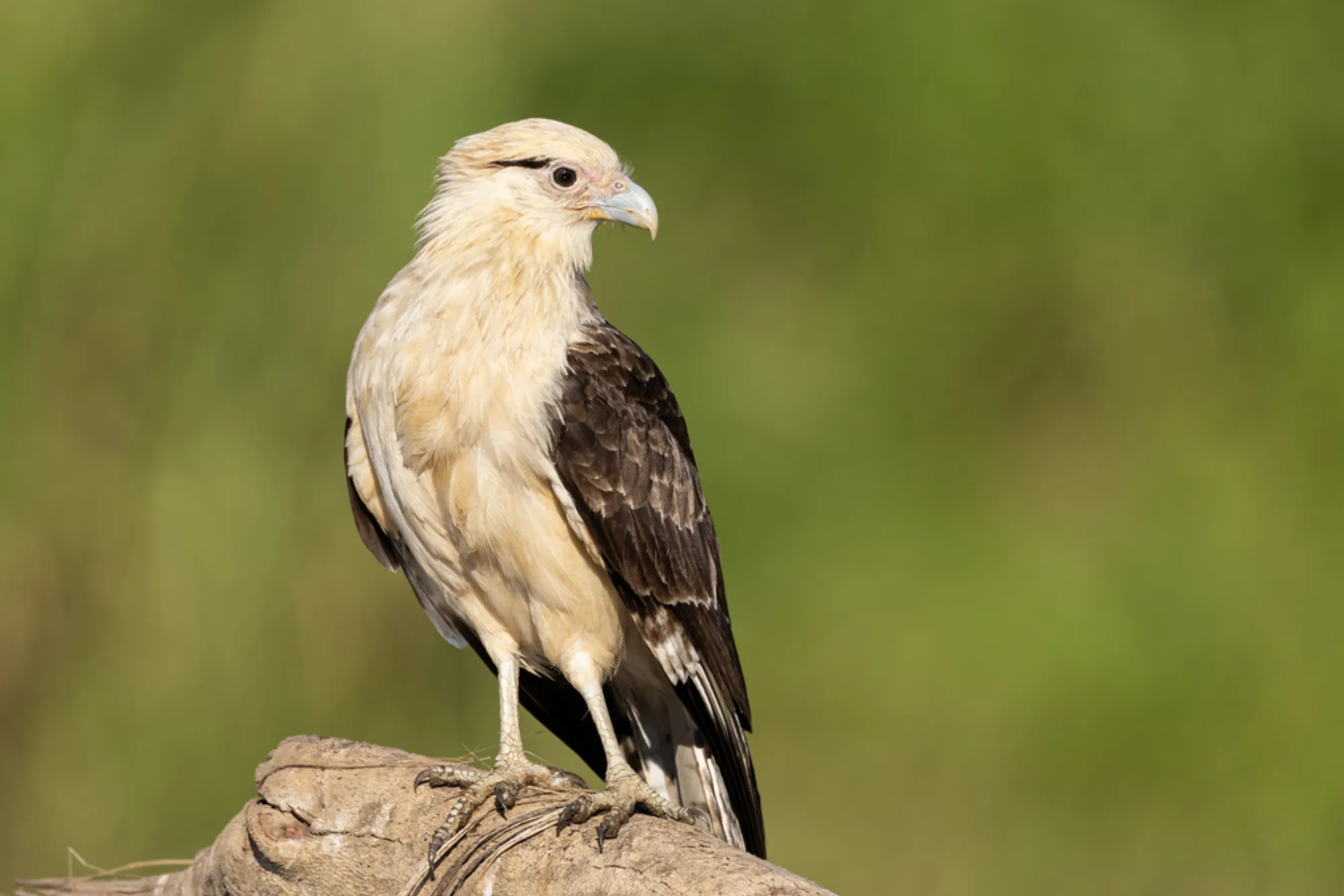
Yellow-headed Caracara
Milvago chimachima
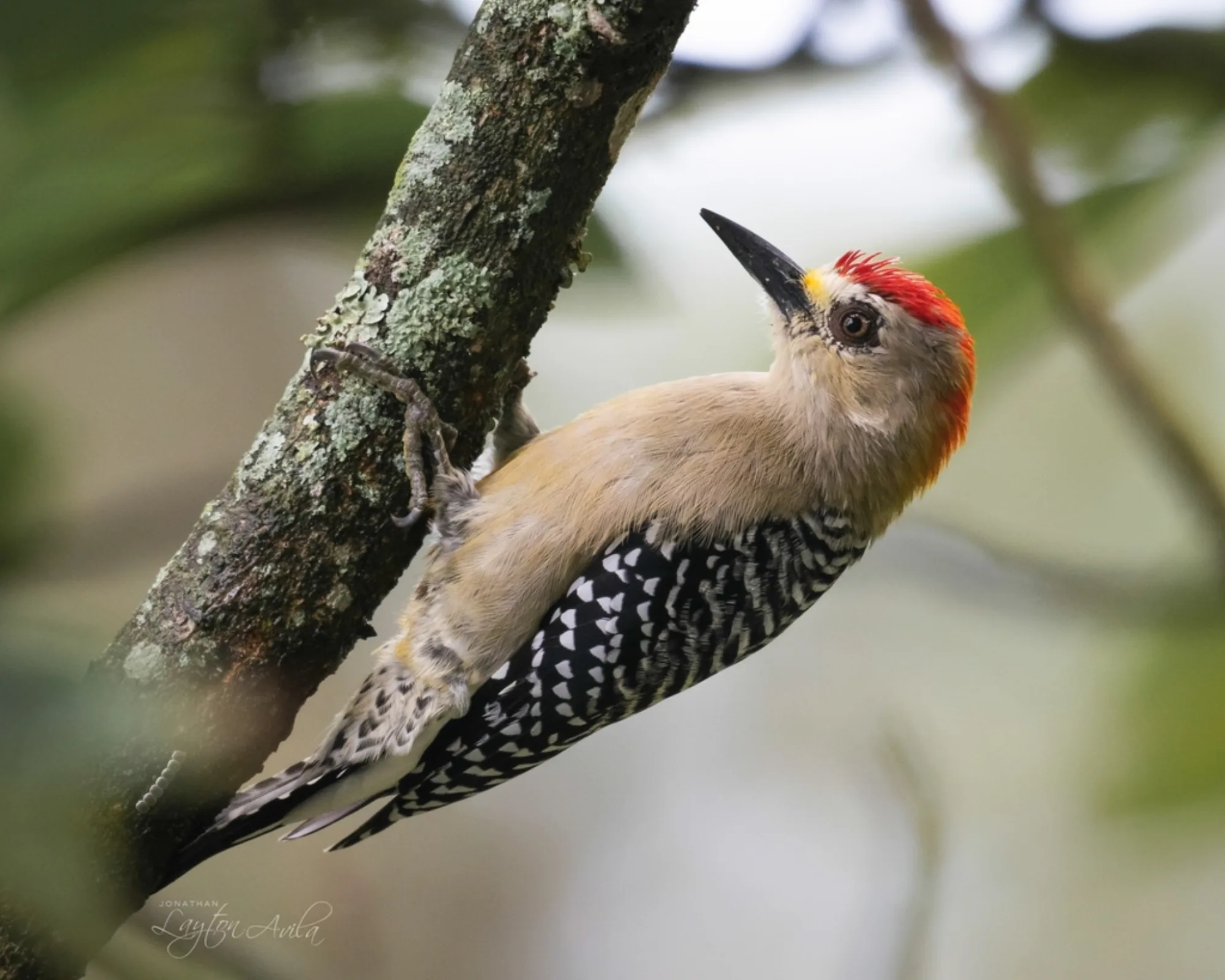
Red-crowned Woodpecker
Melanerpes rubricapillus
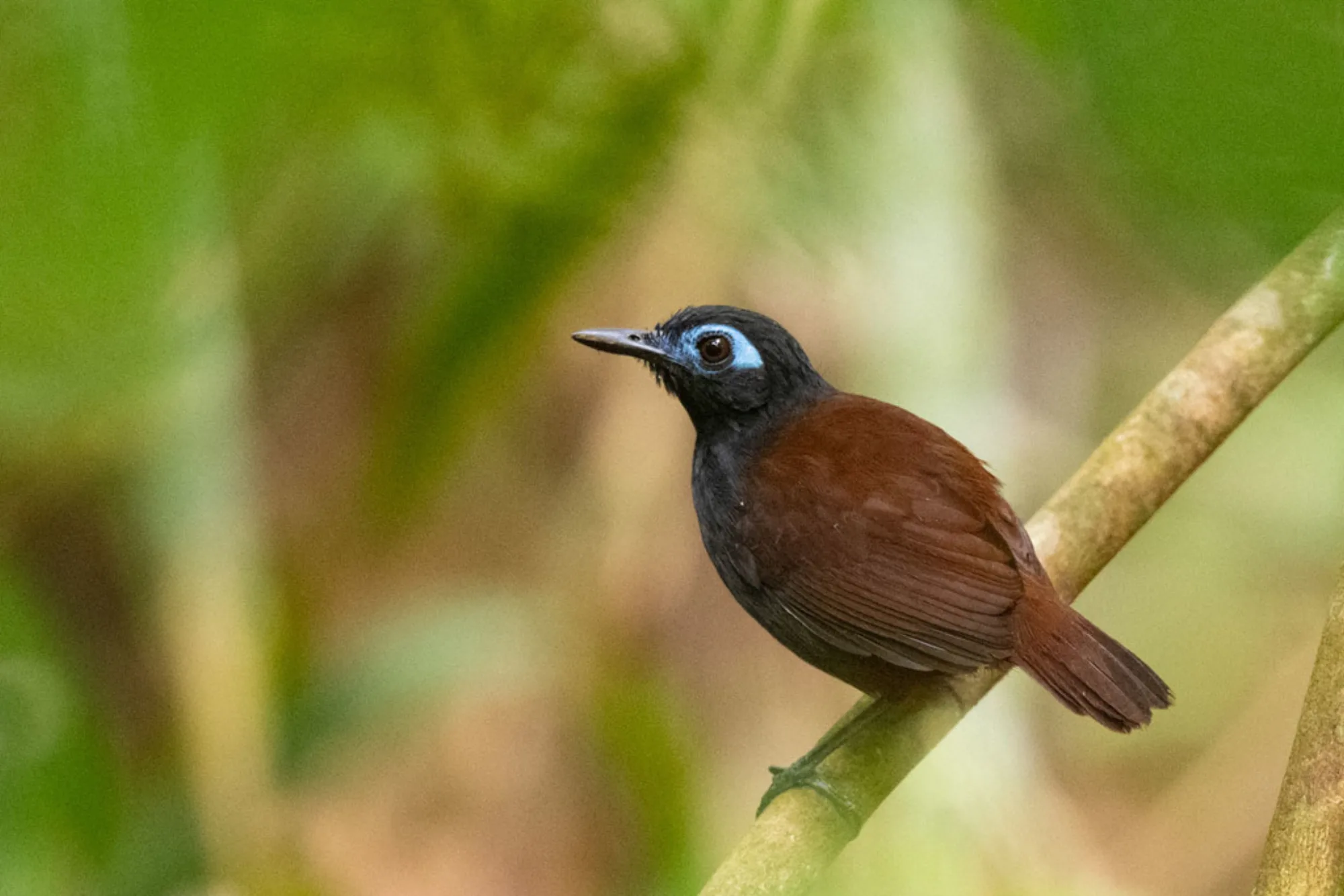
Chestnut-backed Antbird
Poliocrania exsul
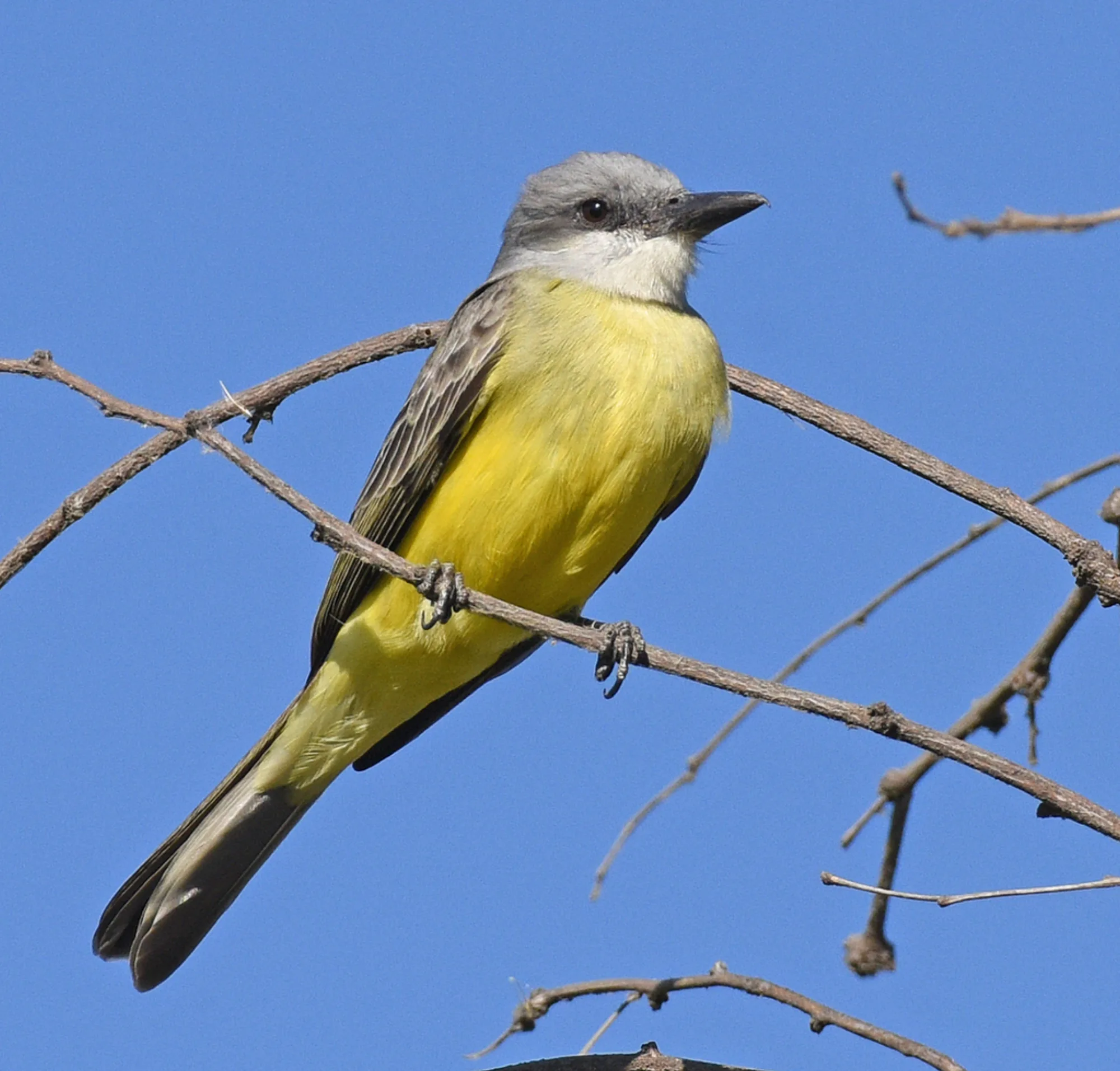
Tropical Kingbird
Tyrannus melancholicus
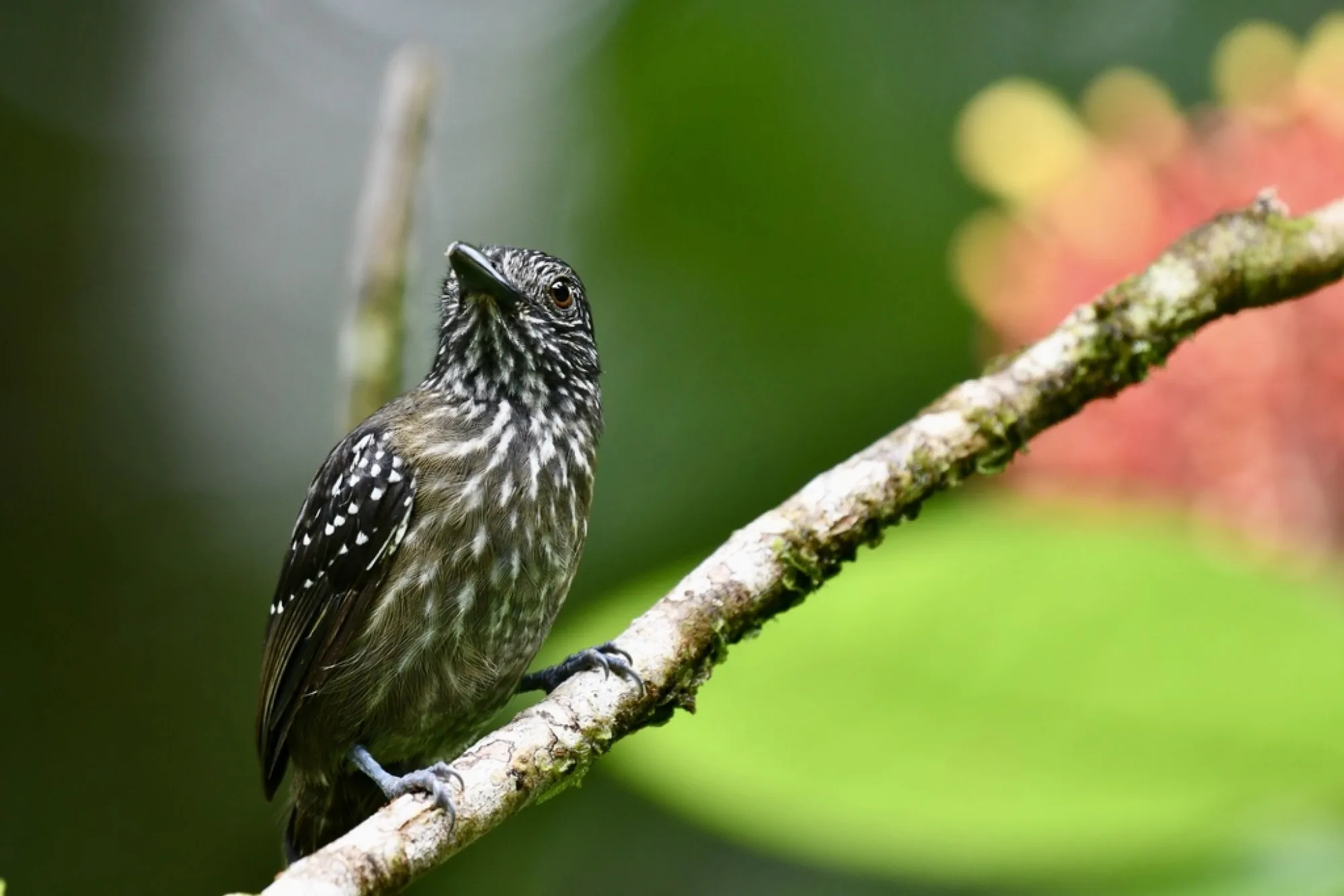
Black-hooded Antshrike
Thamnophilus bridgesi
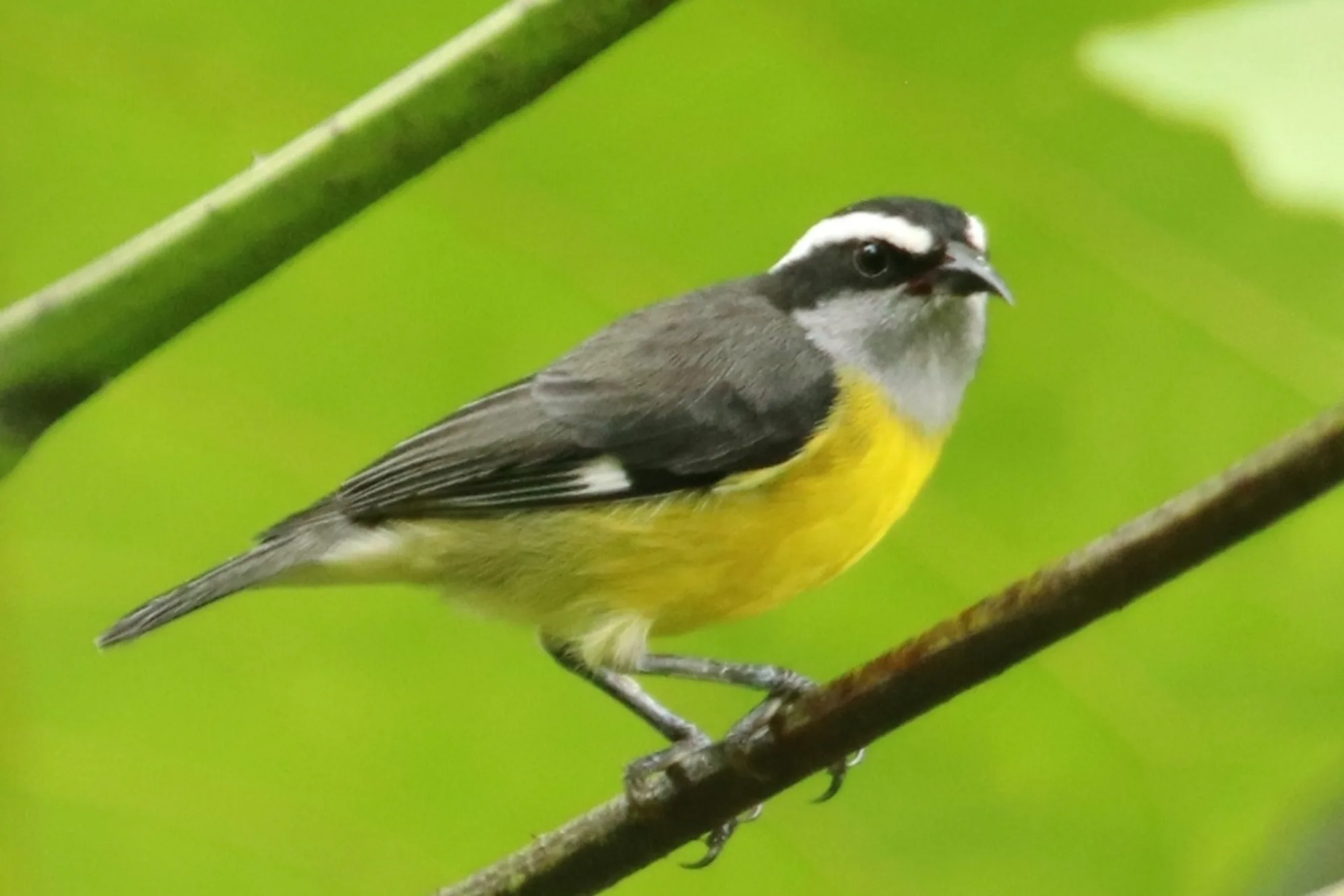
Bananaquit
Coereba flaveola