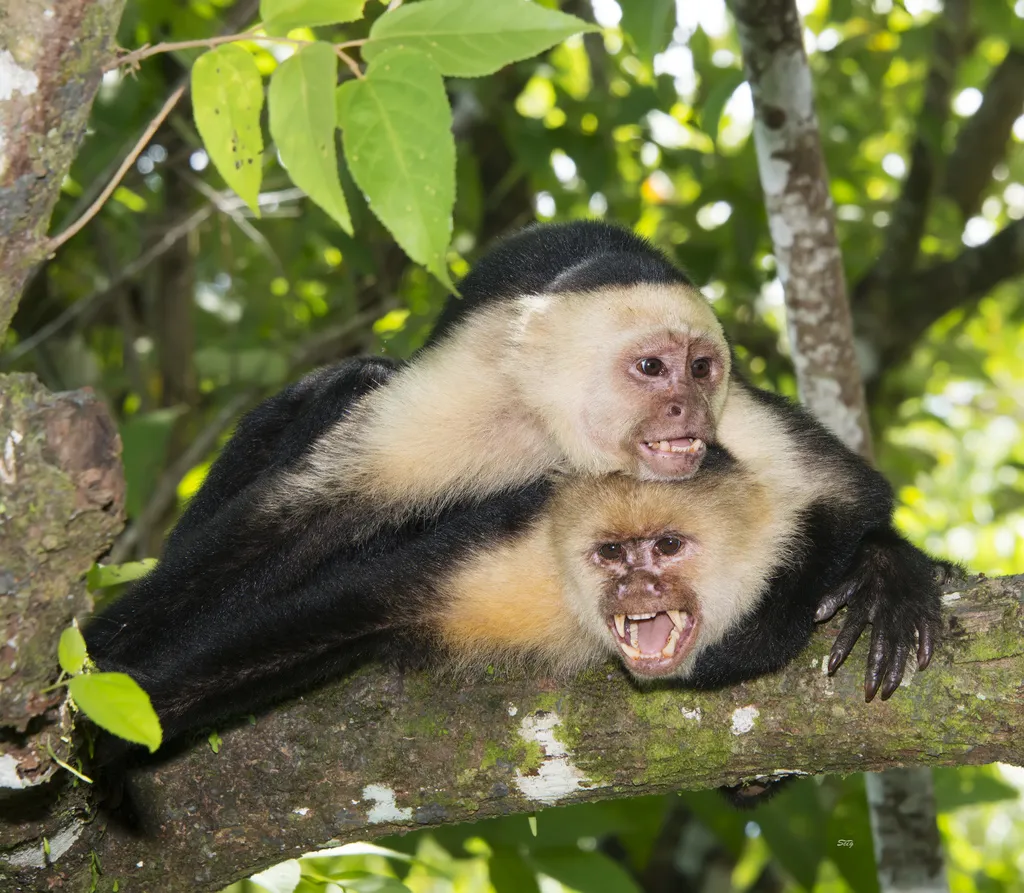
White-faced Capuchin
Cebus imitator
Clever, curious troops. Do not feed them, ever.
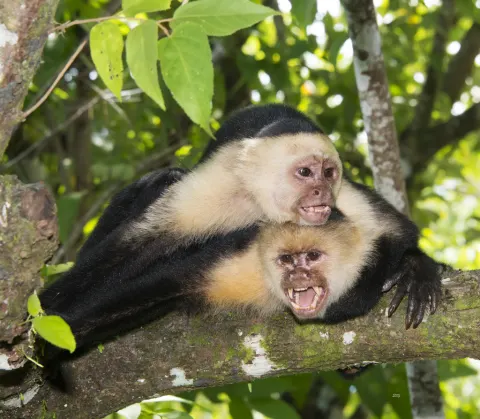
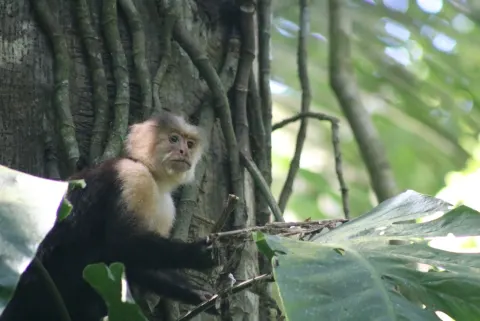
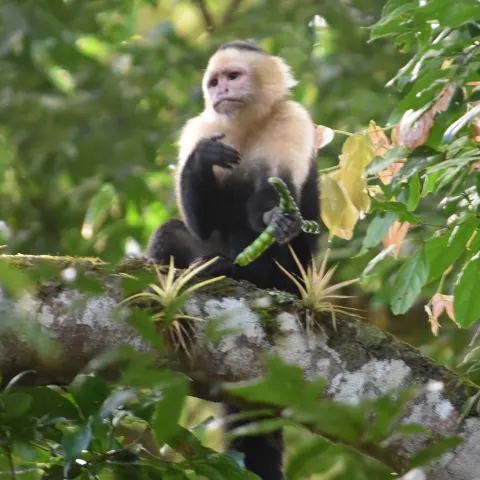
The white-faced capuchin is the rainforest's problem-solver, a three-kilogram primate with a prefrontal agenda. Troops of ten to thirty sweep through Costa Rican forest like an audit, turning leaves, cracking branches, unrolling bark, testing everything with hands that are nearly as clever as the brain behind them. Capuchins use tools, rub themselves with citrus and pepper plants as insect repellent, and maintain politics complicated enough that primatologists build careers on single troops. They live long, sometimes past 40, and they remember. In parks like Manuel Antonio they have also learned that tourists mean bags, and bags mean food, a lesson that took them approximately one afternoon.
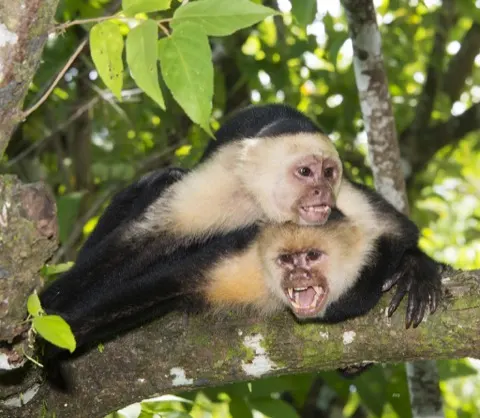
Loud, social, hierarchical troops that mob snakes and raptors. Grooming settles alliances; squabbles are constant and mostly theater.
Fruit and insects mostly, plus flowers, eggs, small vertebrates and crabs pried from mangrove roots; almost nothing edible is off the menu.
Mid-morning foraging parties at forest edges give clean sightlines. Fast shutter, 1/1000 up, and watch the hands; the best capuchin photos are about what the hands are doing.
Zip the bag, hide the food, and never trade snacks for photos. A raiding capuchin is a bitten tourist and eventually a destroyed monkey.
Generalised encounter areas, not exact locations. Each shape is a grid cell coloured by how likely the species is there.
- Very likelyCosta Rica10 km zone · high confidence · 817 records · updated 41 days ago
- Very likelyPanama10 km zone · medium confidence · 100 records · updated 41 days ago
- LikelyNicaragua10 km zone · medium confidence · 11 records · updated 41 days ago
- LikelyHonduras10 km zone · medium confidence · 1 record · updated 41 days ago
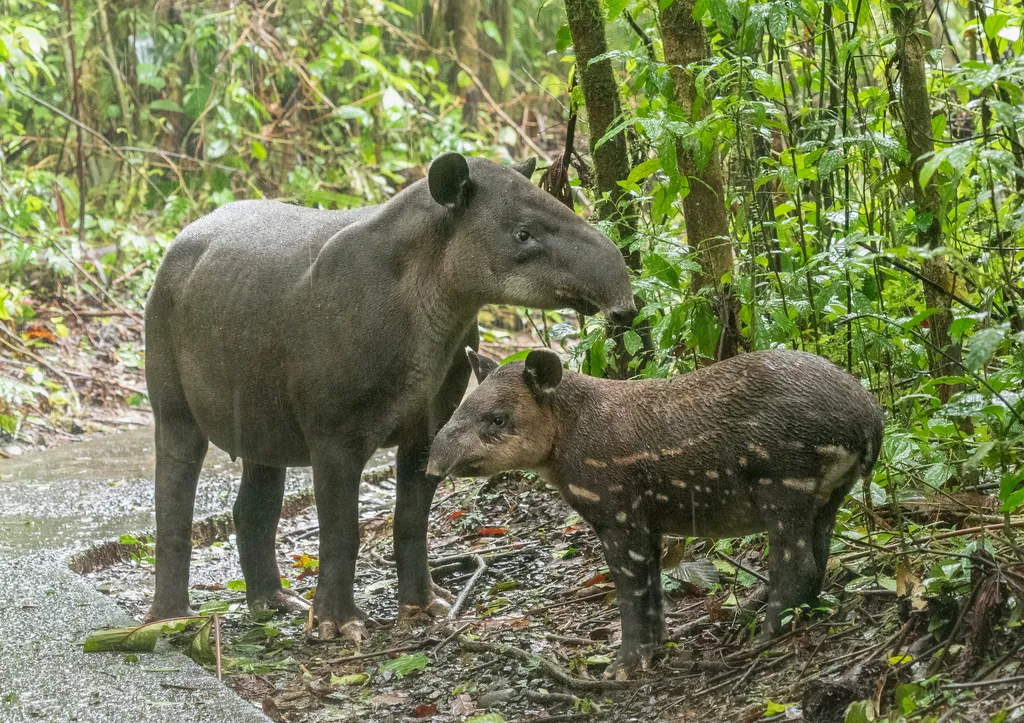
Baird's Tapir
Tapirus bairdii
Ancient forest engineer; patience is the only technique.
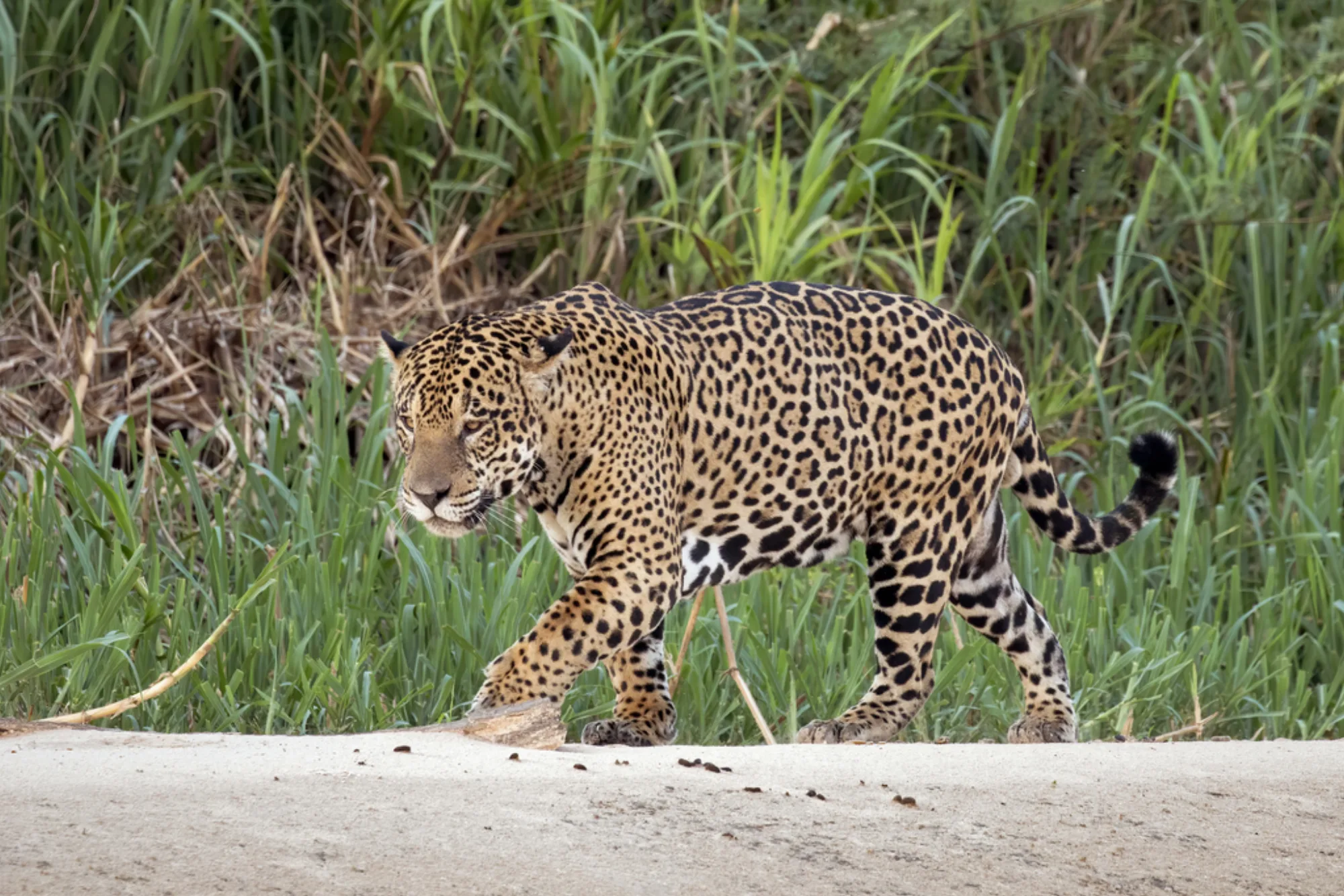
Jaguar
Panthera onca
Tracks along the beach at Corcovado; the animal itself is a gift.
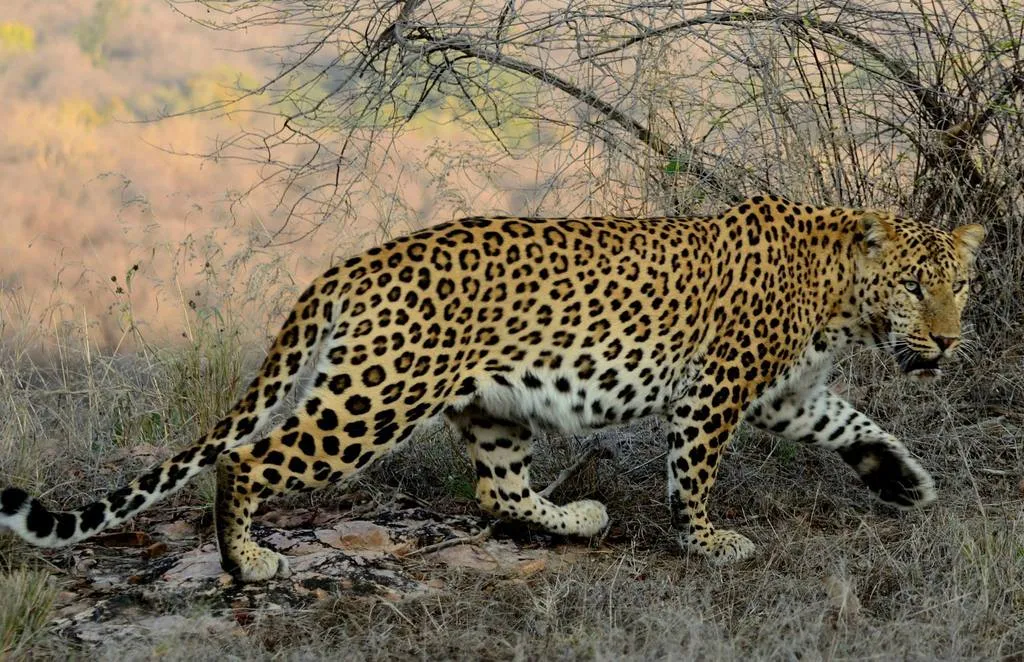
Leopard
Panthera pardus
Cryptic, solitary, and everywhere, if you know where to look.
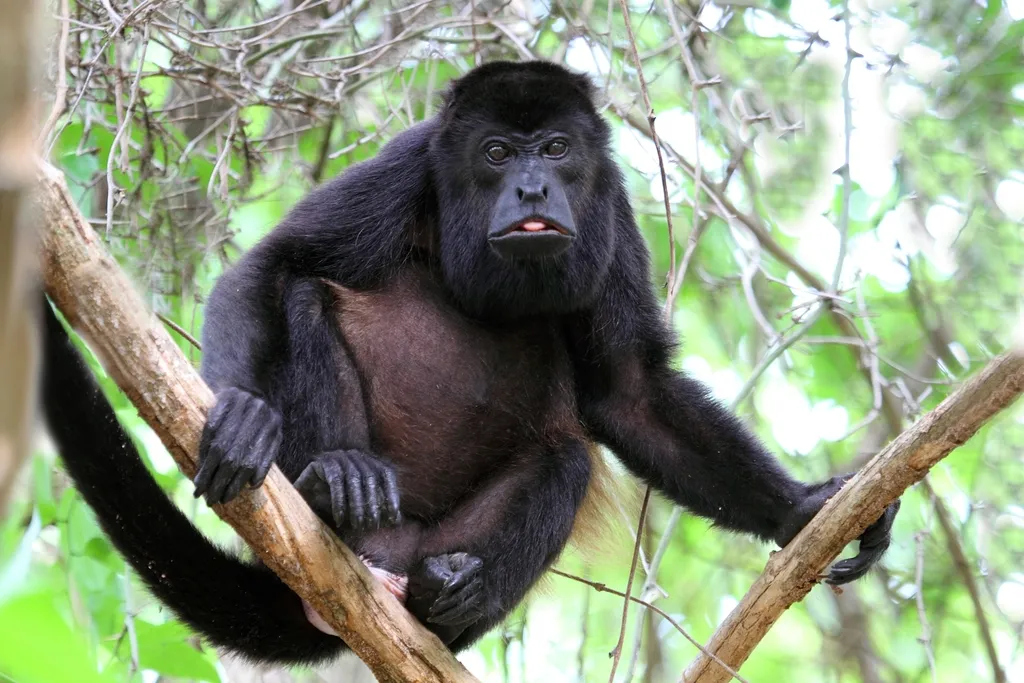
Mantled Howler Monkey
Alouatta palliata
The sound of the neotropics at first light.