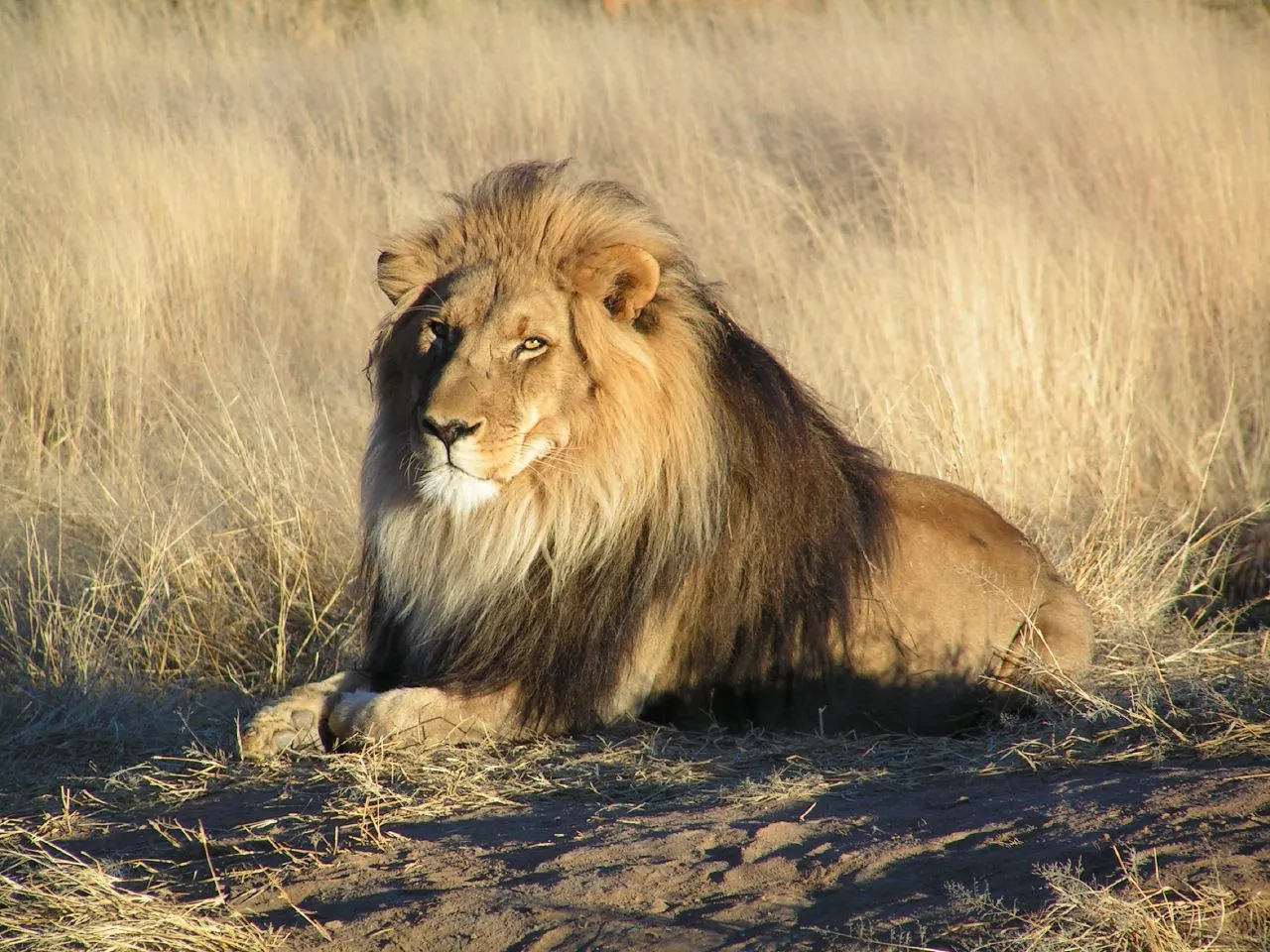
Lion
Panthera leo
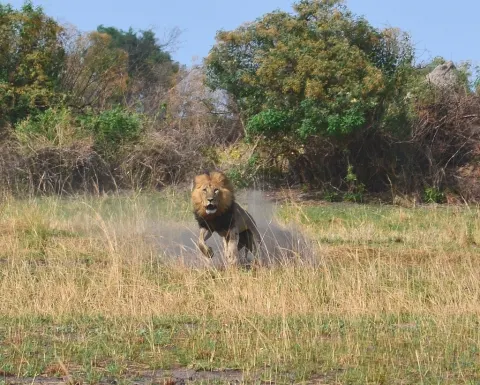
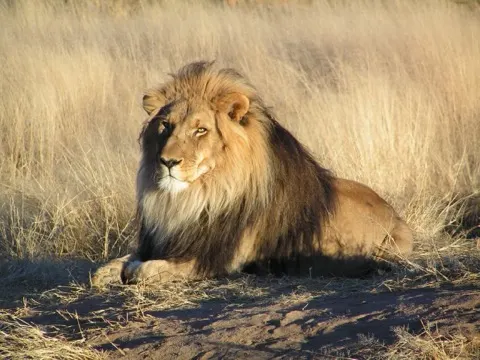
Pride cats of the open pans, heard long before they are seen.
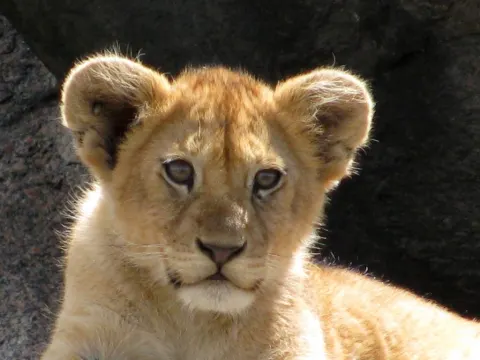
Africa holds perhaps 20,000 to 25,000 wild lions, down from a couple hundred thousand a century ago, and Etosha is one of the strongholds where you can still watch a whole pride operate. Namibia also keeps a wilder secret: a small population of desert-adapted lions that patrol the Skeleton Coast, hunting seals where the dunes meet the Atlantic, something recorded almost nowhere else on Earth. A male can pass 200 kilograms, and a pride is really a matriarchy: related females who hunt together, raise cubs together, and hold the territory while males come and go on shorter, harder careers. Most of a lion's day, up to 20 hours of it, is spent doing magnificently little.
Social to a degree no other cat is. Females do most hunting, often after dark; roars carry up to eight kilometers and are territory made audible.
Whatever the pride can bring down together: gemsbok, springbok, zebra, wildebeest, young giraffe. On the Skeleton Coast, remarkably, cormorants and Cape fur seals.
Work the golden hour at waterholes, then stay for dusk when the pride wakes up. Eye-level from the vehicle window beats shooting down every time. A yawning lion precedes a moving lion.
Never bait, call, or spotlight lions for a photo, and keep night drives to licensed guides. A habituated lion is eventually a dead lion.
Generalised encounter areas, not exact locations. Each shape is a grid cell coloured by how likely the species is there.
- Very likelyBenin25 km zone · medium confidence · 99 records · updated 41 days ago
- Very likelySouth Africa25 km zone · medium confidence · 81 records · updated 41 days ago
- Very likelyUnited States25 km zone · medium confidence · 11 records · updated 41 days ago
- LikelyUganda25 km zone · medium confidence · 6 records · updated 41 days ago
- LikelySweden25 km zone · medium confidence · 4 records · updated 41 days ago
African Elephant
Loxodonta africana
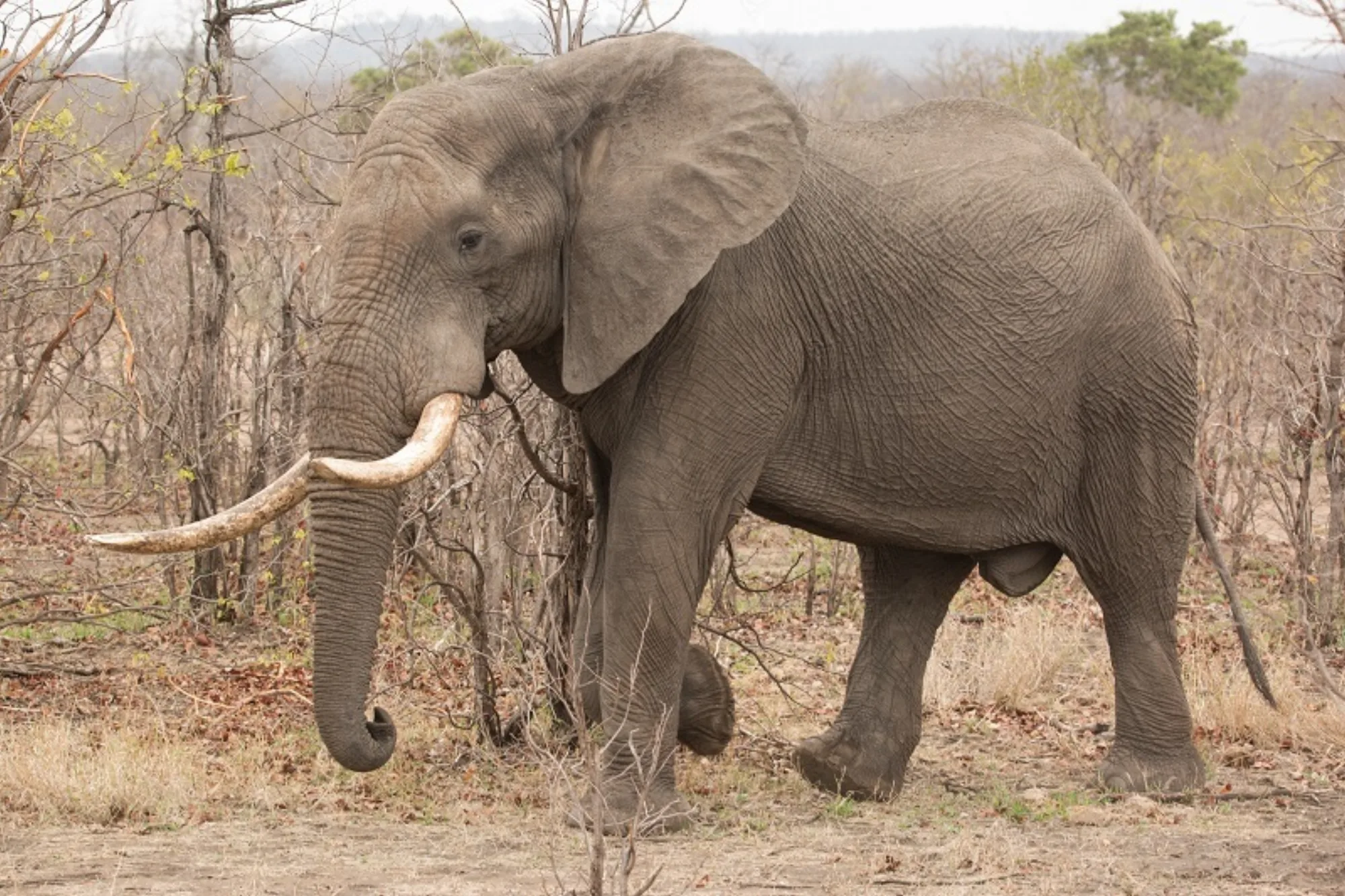
Desert-adapted herds that survive on remembered water in some of the driest country in Africa.
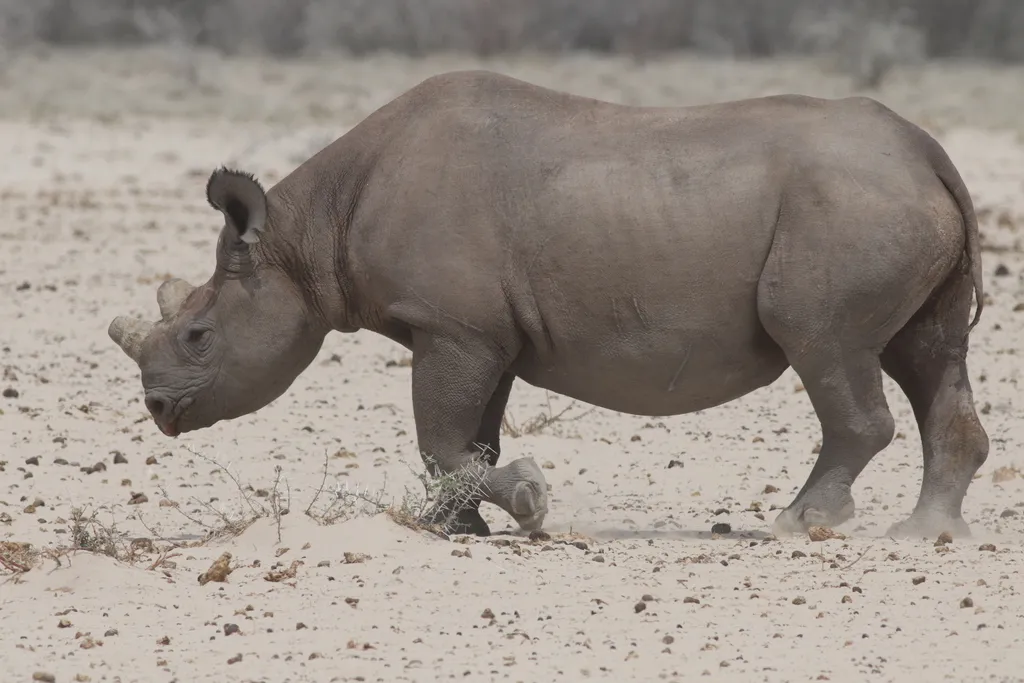
Black Rhinoceros
Diceros bicornis
Precise locations are withheld. Namibia holds a globally significant population.
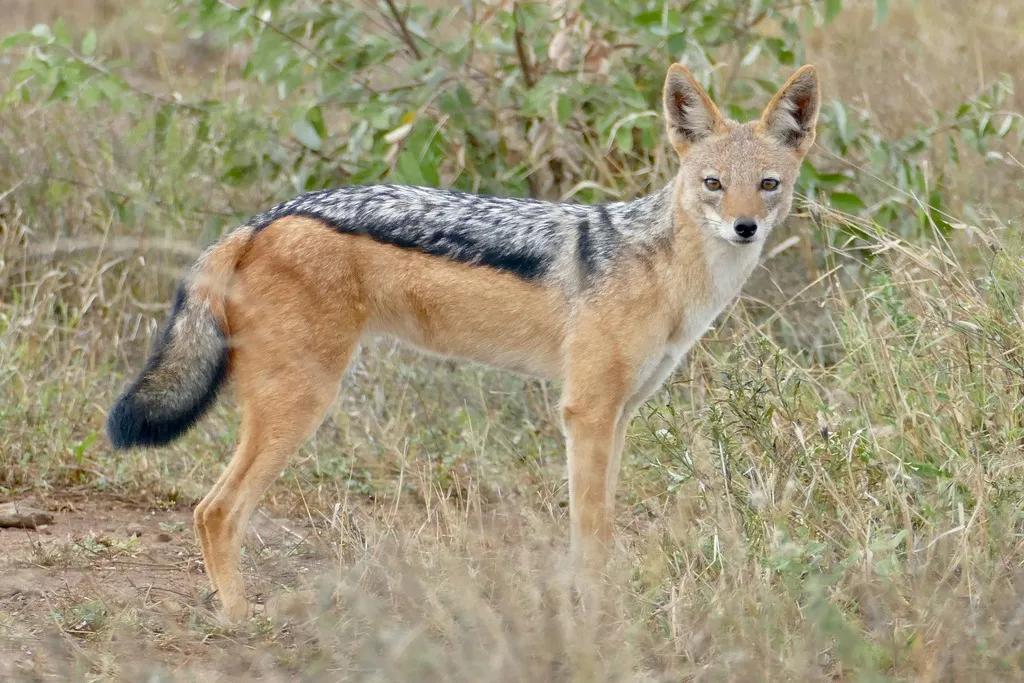
Black-backed Jackal
Lupulella mesomelas
Persistent, clever, and heard yipping across the plains at dusk.
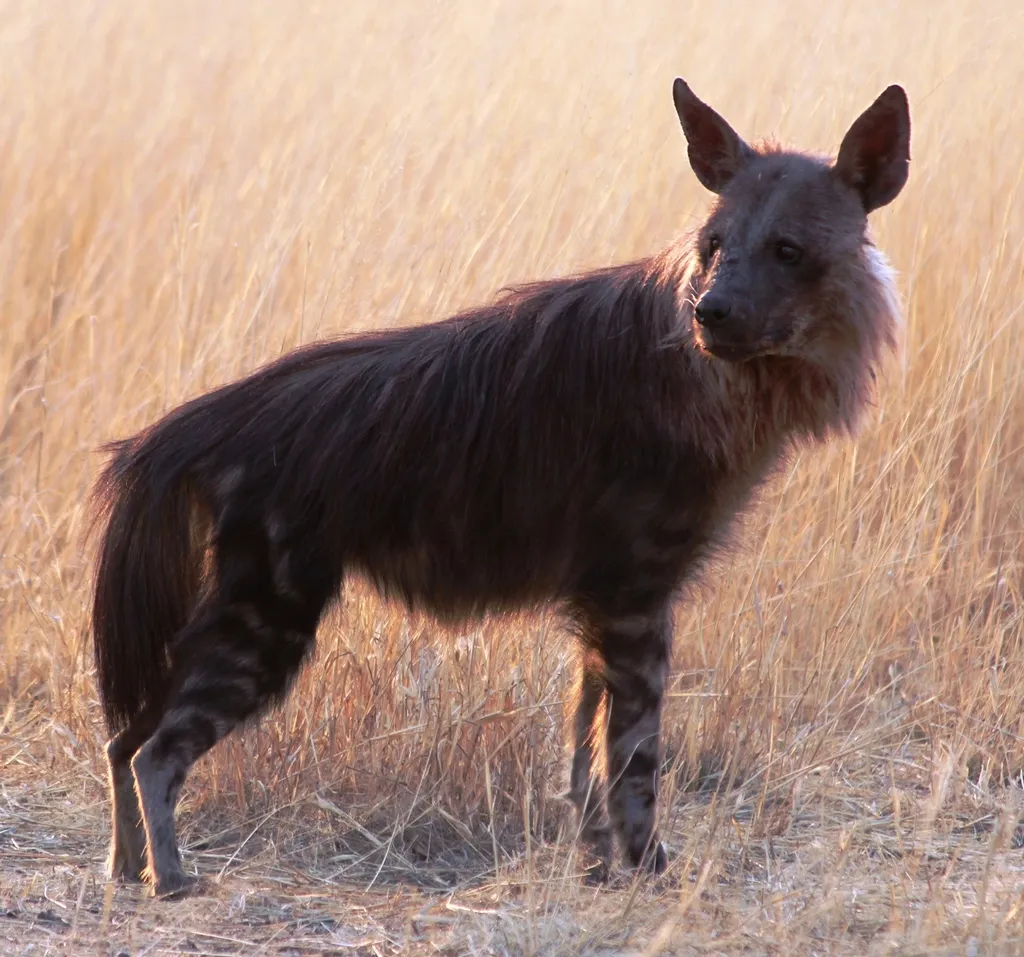
Brown Hyena
Parahyaena brunnea
Shaggy ghost of the Skeleton Coast, scavenging along the tide line.