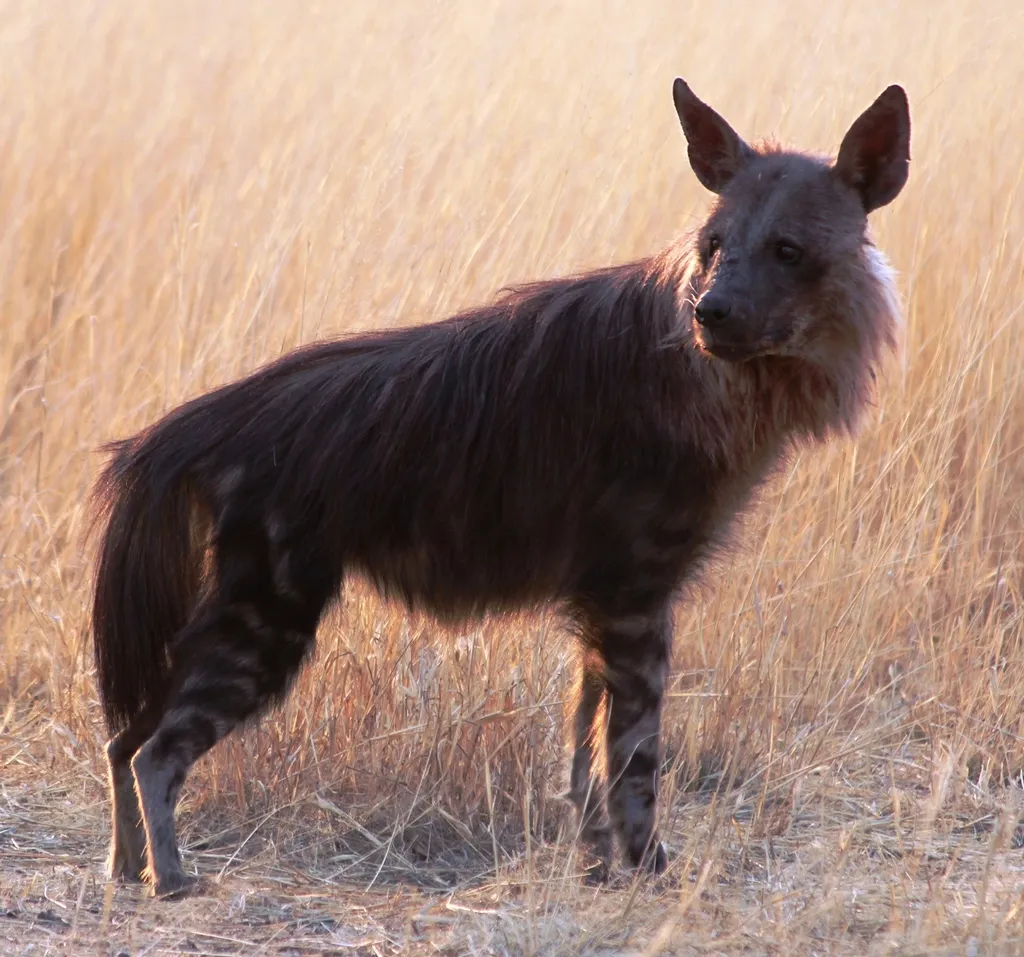
Brown Hyena
Parahyaena brunnea
Shaggy ghost of the Skeleton Coast, scavenging along the tide line.
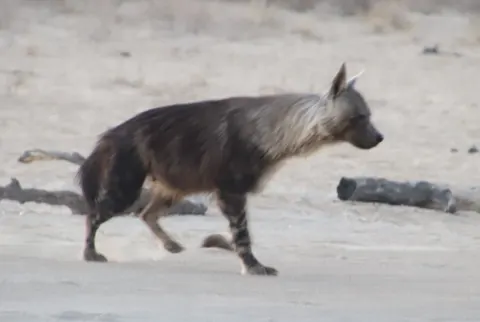
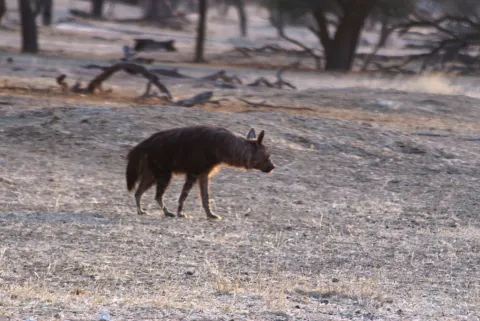
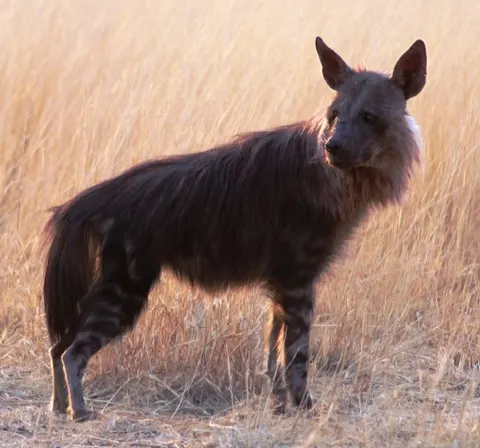
The brown hyena is the animal you are least likely to see on this list, and the one worth wanting most. There may be fewer than ten thousand left on Earth, and this coast is their stronghold.
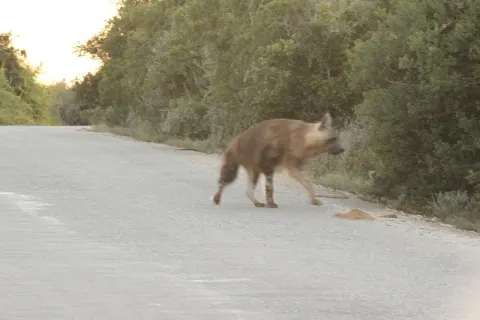
It almost never kills. It inherits, walking the tide line between seal colonies at night, thirty kilometres and more, alone, taking what the sea and the jackals have finished with. The coat is long and dark and blows sideways in the wind off the Atlantic, so that at a distance, caught in headlights, it does not read as a hyena at all. It reads as something wearing a cloak. By day it is gone, into brush and old aardvark burrows.
We hold no occurrence records for it anywhere we map. That is not absence. It is a measure of how few people are on that road at three in the morning, and of how completely this animal has arranged its life around not being seen.
If you go looking, take the coast road near a colony before first light, keep the ISO high and your expectations low, and shoot from where you stopped.
Solitary foragers that share a communal den and territory. Nightly foraging walks follow scent-marked paths with remarkable discipline.
A scavenger first: carcasses, seal pups and marine carrion on the coast, insects, eggs and wild fruit inland, including tsamma melons for moisture.
Your best odds are coastal roads at dawn near seal colonies. Keep ISO high and expectations low; treat any sighting as a gift and shoot from where you stopped.
Never follow a brown hyena; being trailed can make it abandon a foraging route it needs.
Generalised encounter areas, not exact locations. Each shape is a grid cell coloured by how likely the species is there.
- Very likelySouth Africa10 km zone · medium confidence · 30 records · updated 41 days ago
- LikelyNamibia10 km zone · medium confidence · 3 records · updated 41 days ago
- PossibleBotswana10 km zone · low confidence · 0 records · updated 41 days ago
African Elephant
Loxodonta africana
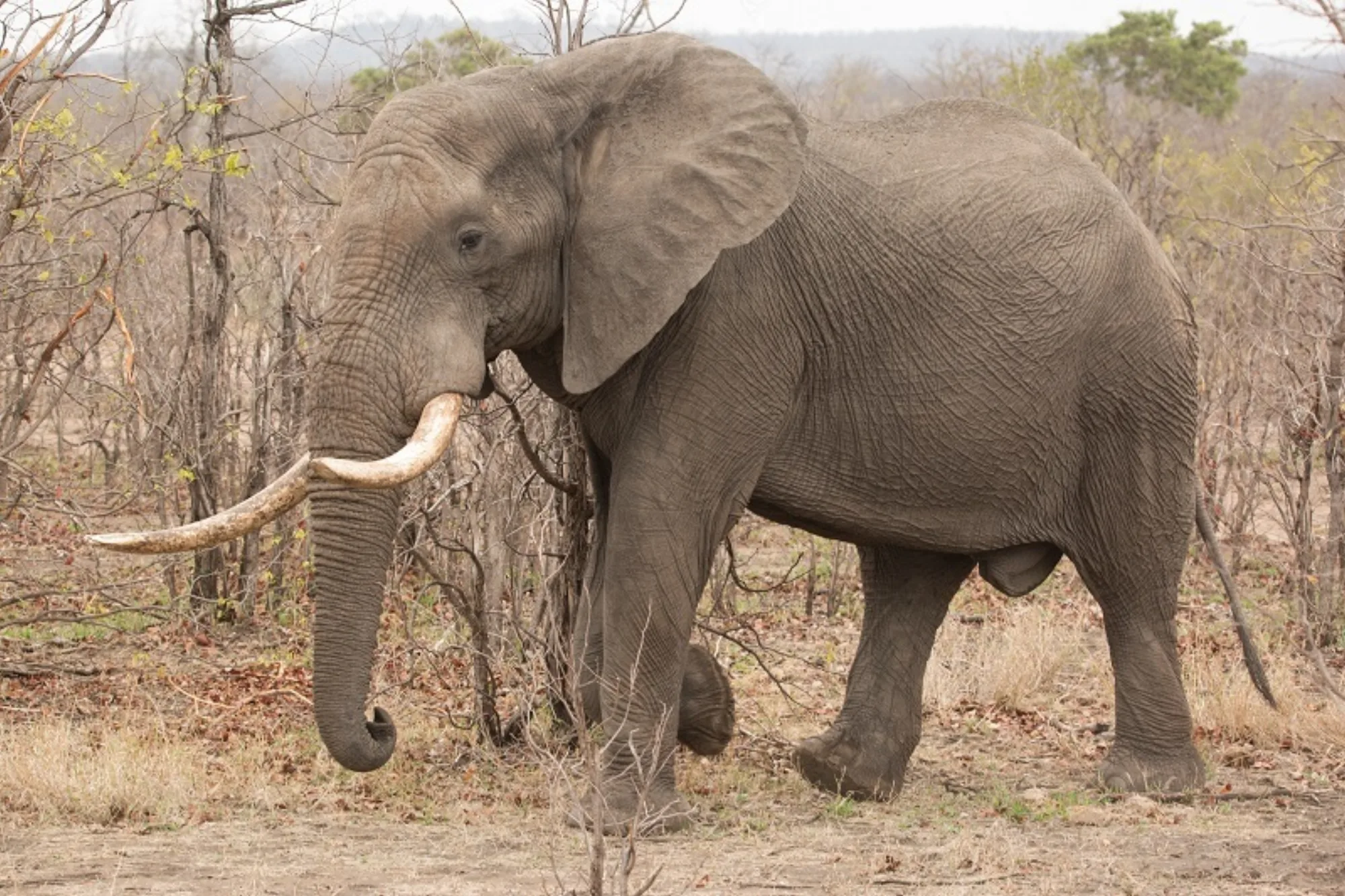
Desert-adapted herds that survive on remembered water in some of the driest country in Africa.
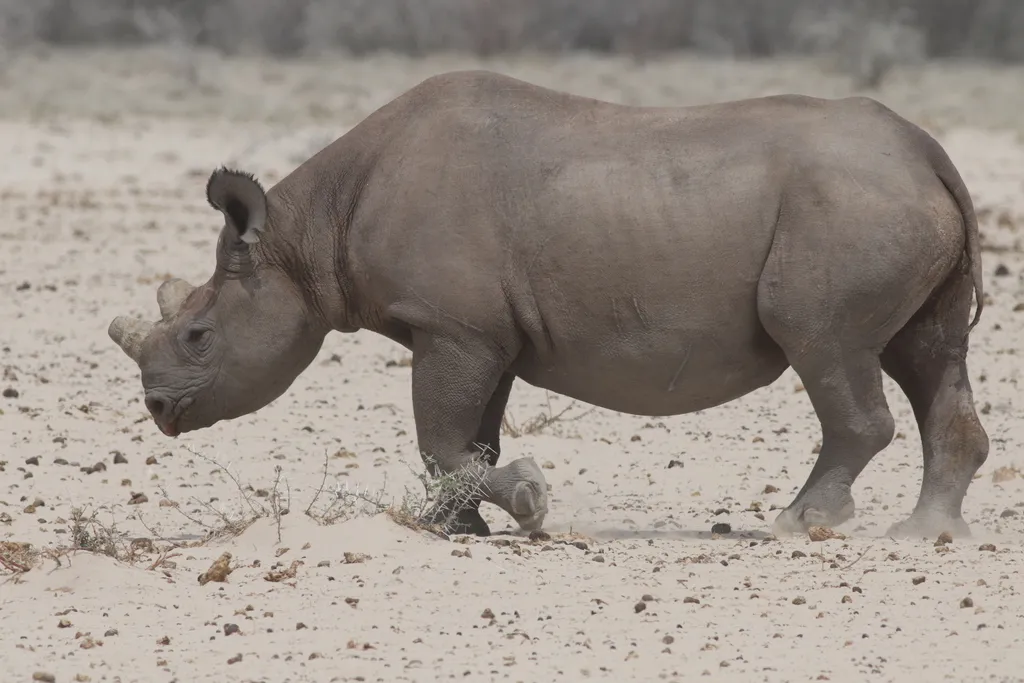
Black Rhinoceros
Diceros bicornis
Precise locations are withheld. Namibia holds a globally significant population.
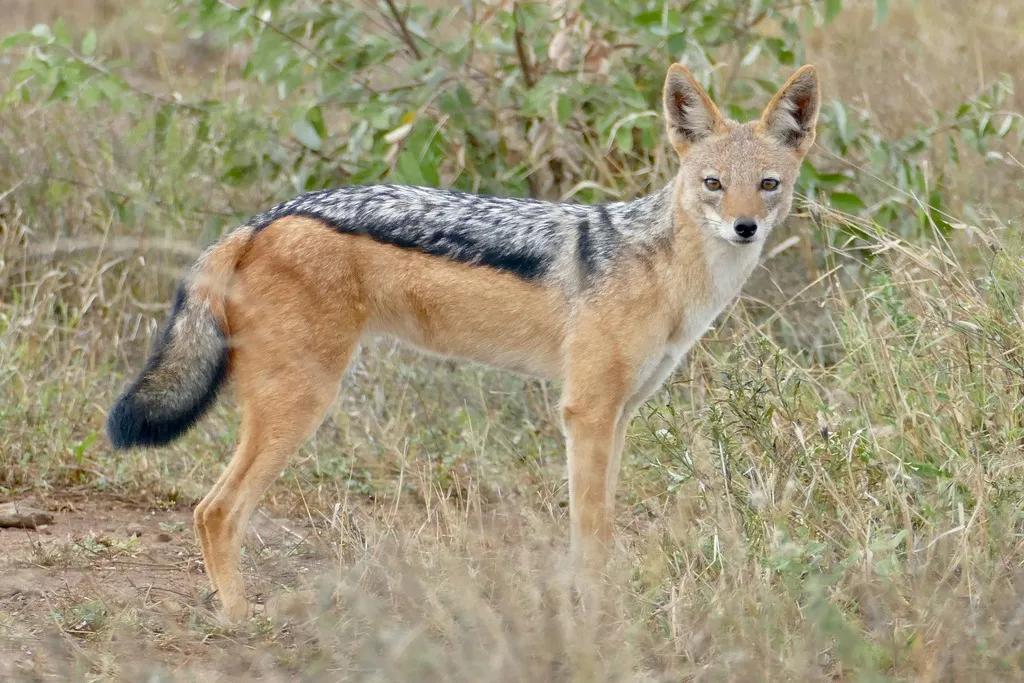
Black-backed Jackal
Lupulella mesomelas
Persistent, clever, and heard yipping across the plains at dusk.
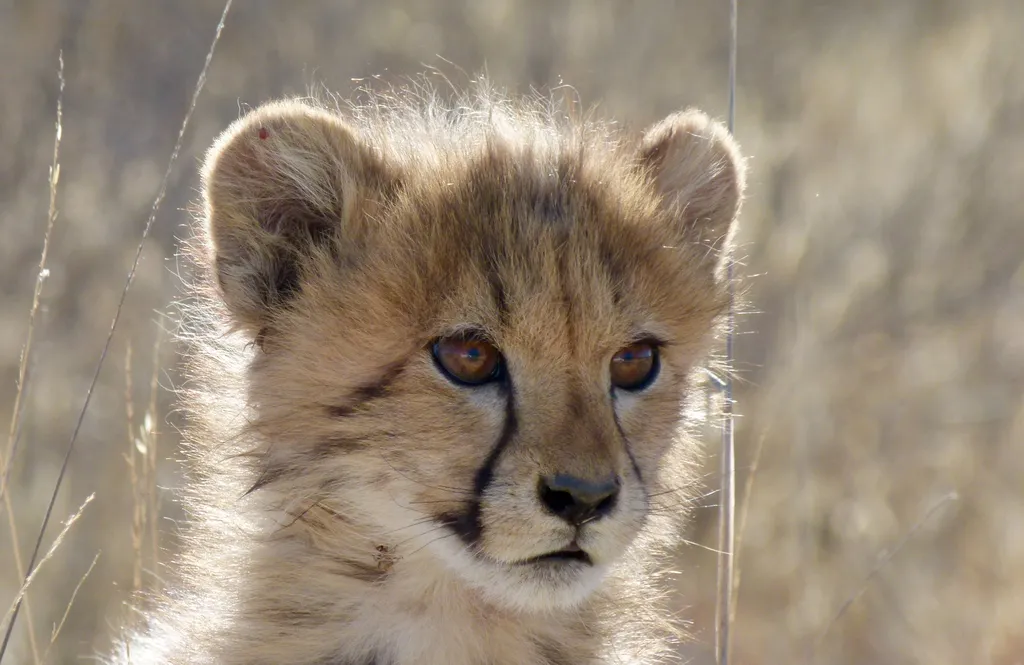
Cheetah
Acinonyx jubatus
Namibia holds the world's largest free-roaming cheetah population.