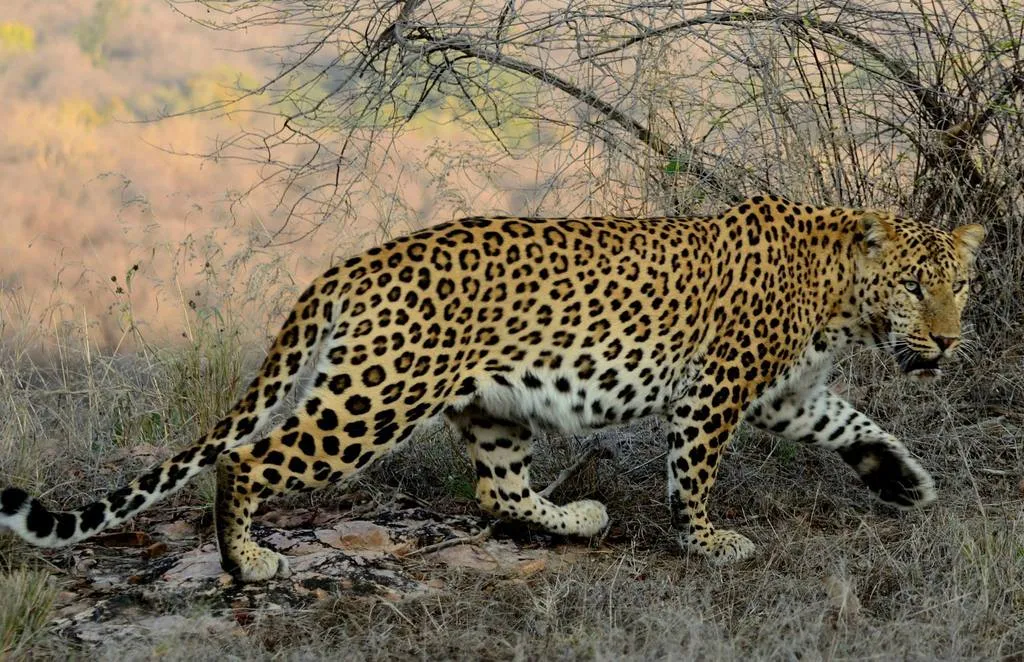
Leopard
Panthera pardus
Cryptic, solitary, and everywhere, if you know where to look.
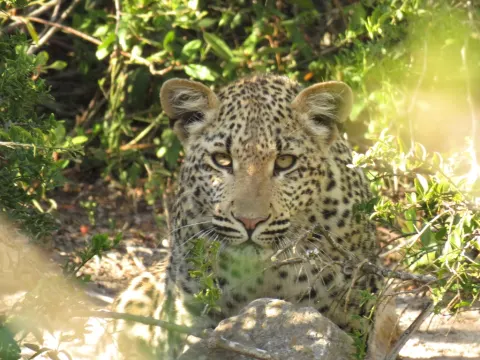
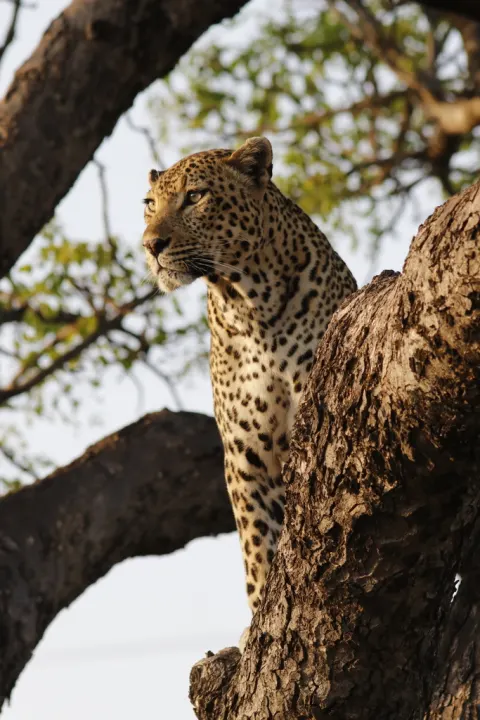
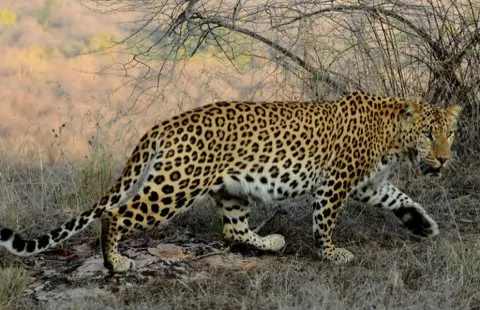
The leopard is the cat you have driven past without knowing it. No one has counted them reliably at a global scale, precisely because disappearing is what they do best: a big rosetted cat that lives from the Cape to the Congo to the edge of Windhoek, hunting alone, mostly at night, and hauling anything up to its own body weight vertically into a tree so lions and hyenas dine below in frustration. Males in Namibia can reach 60 to 90 kilograms. Pound for pound it is the strongest climber of the big cats, and the most adaptable: river thickets, koppies, dry mountains, it asks only for cover and prey. Seeing one is less about luck than about learning to read shade.
Solitary and territorial, announced by a call like a saw through dry wood. Most active from dusk; daytime leopards are usually draped along a shaded branch.
Famously unfussy: antelope, warthogs, hares, birds, even porcupines. Kills are cached in trees or dense brush and revisited over days.
Scan big trees along dry riverbeds, especially horizontal limbs, and check koppie shade lines. At night, keep to red-filtered light and let the guide manage the beam.
Do not crowd a leopard on a kill or with cubs; a leopard pushed off a cached kill may abandon it entirely.
Generalised encounter areas, not exact locations. Each shape is a grid cell coloured by how likely the species is there.
- Very likelyIndia25 km zone · medium confidence · 25 records · updated 41 days ago
- Very likelyKenya25 km zone · medium confidence · 3 records · updated 41 days ago
- LikelyLiberia25 km zone · low confidence · 0 records · updated 41 days ago
- LikelyNamibia25 km zone · low confidence · 0 records · updated 41 days ago
- PossibleIsrael25 km zone · low confidence · 0 records · updated 41 days ago
African Elephant
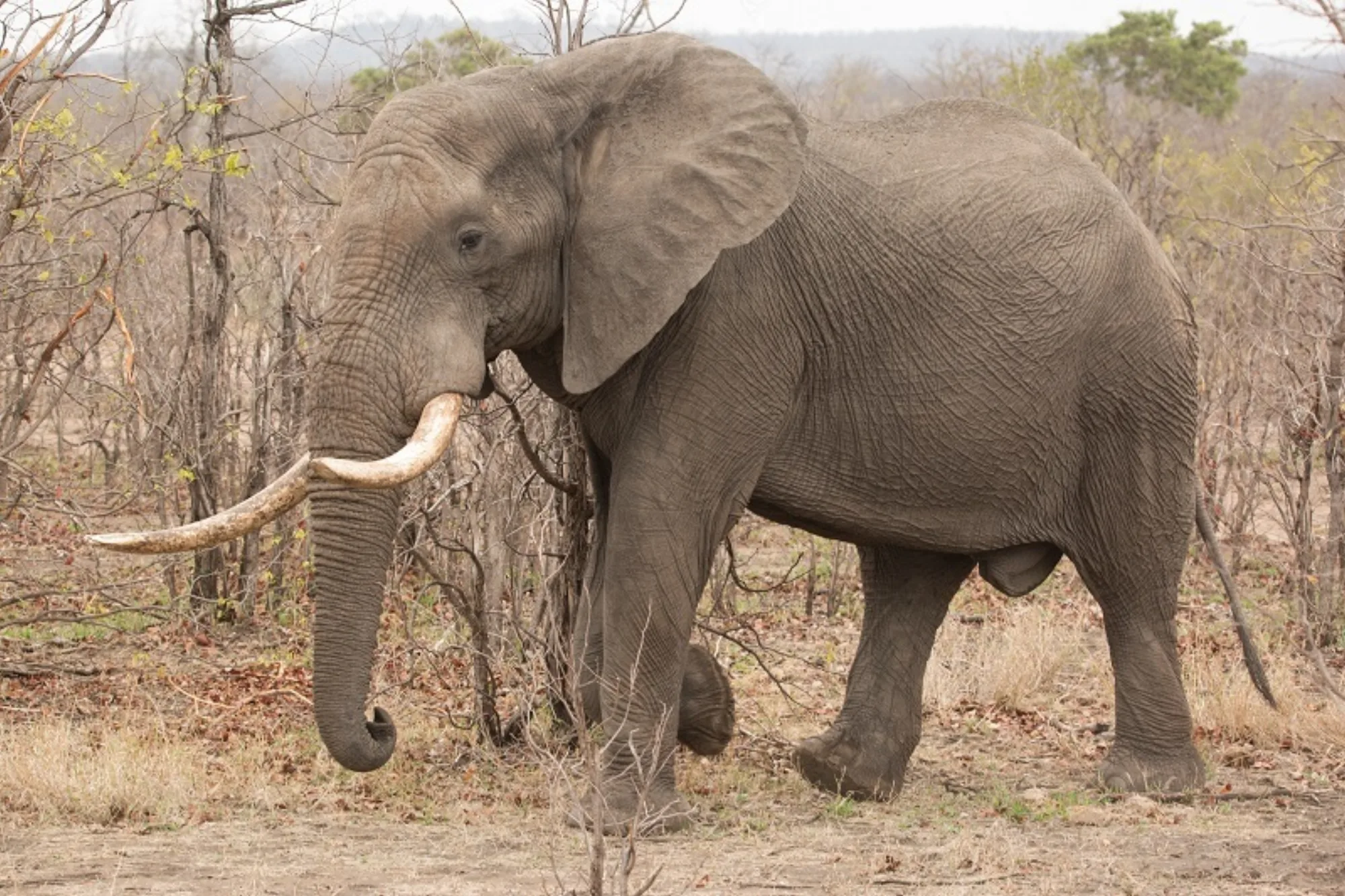
Loxodonta africana
Desert-adapted herds that survive on remembered water in some of the driest country in Africa.
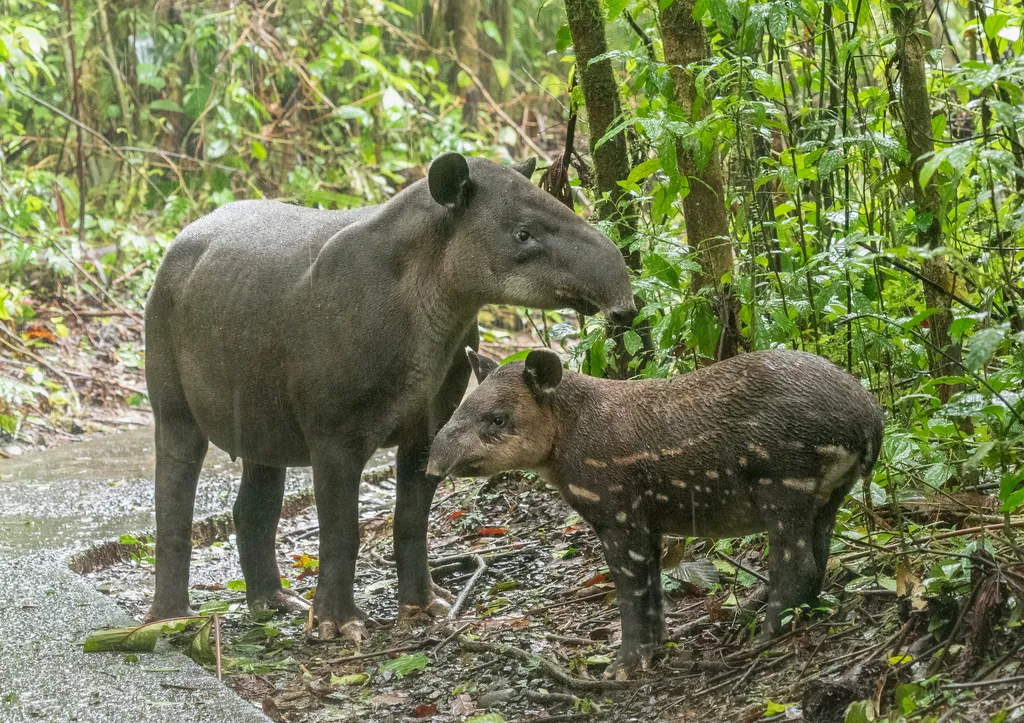
Baird's Tapir
Tapirus bairdii
Ancient forest engineer; patience is the only technique.
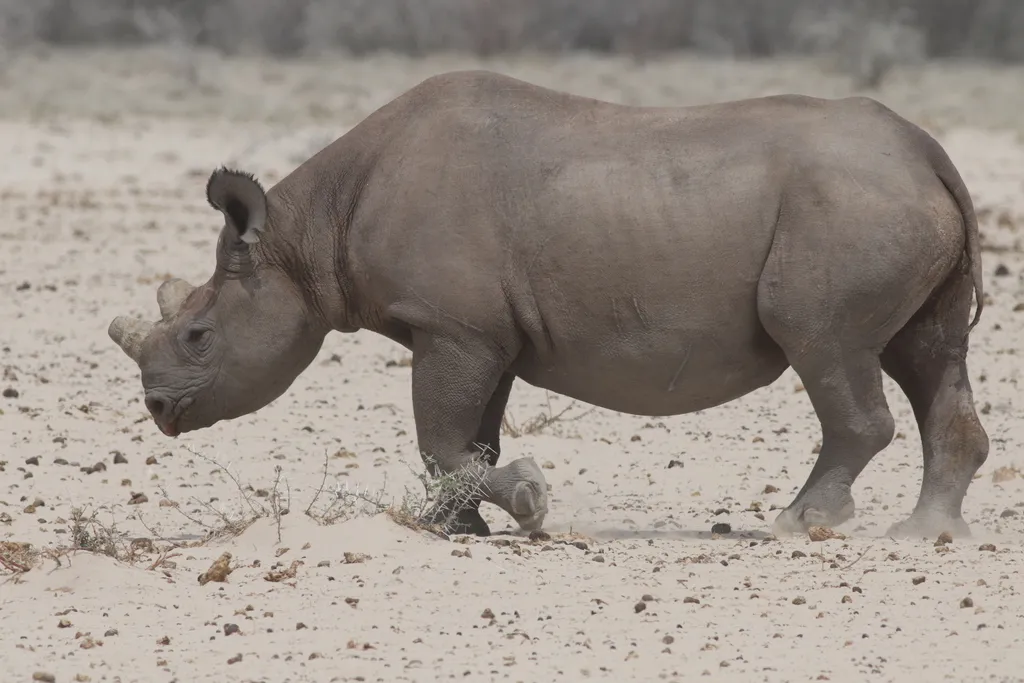
Black Rhinoceros
Diceros bicornis
Precise locations are withheld. Namibia holds a globally significant population.
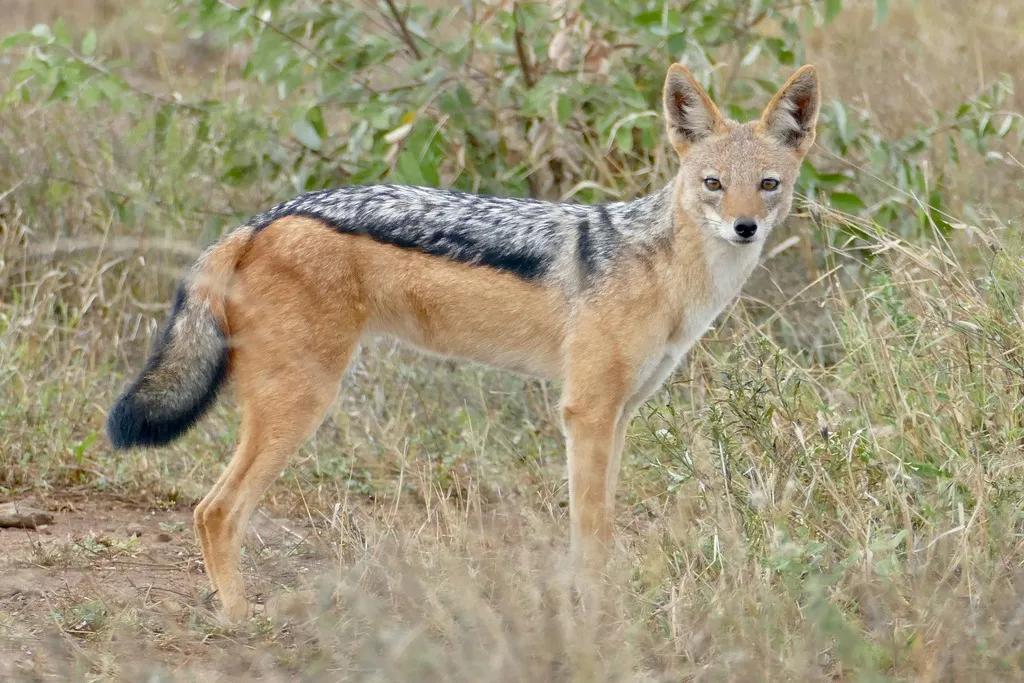
Black-backed Jackal
Lupulella mesomelas
Persistent, clever, and heard yipping across the plains at dusk.