Nile Lechwe
Kobus megaceros
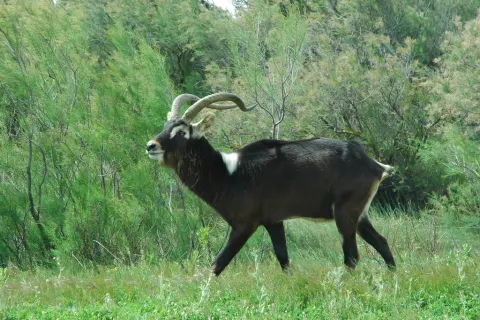
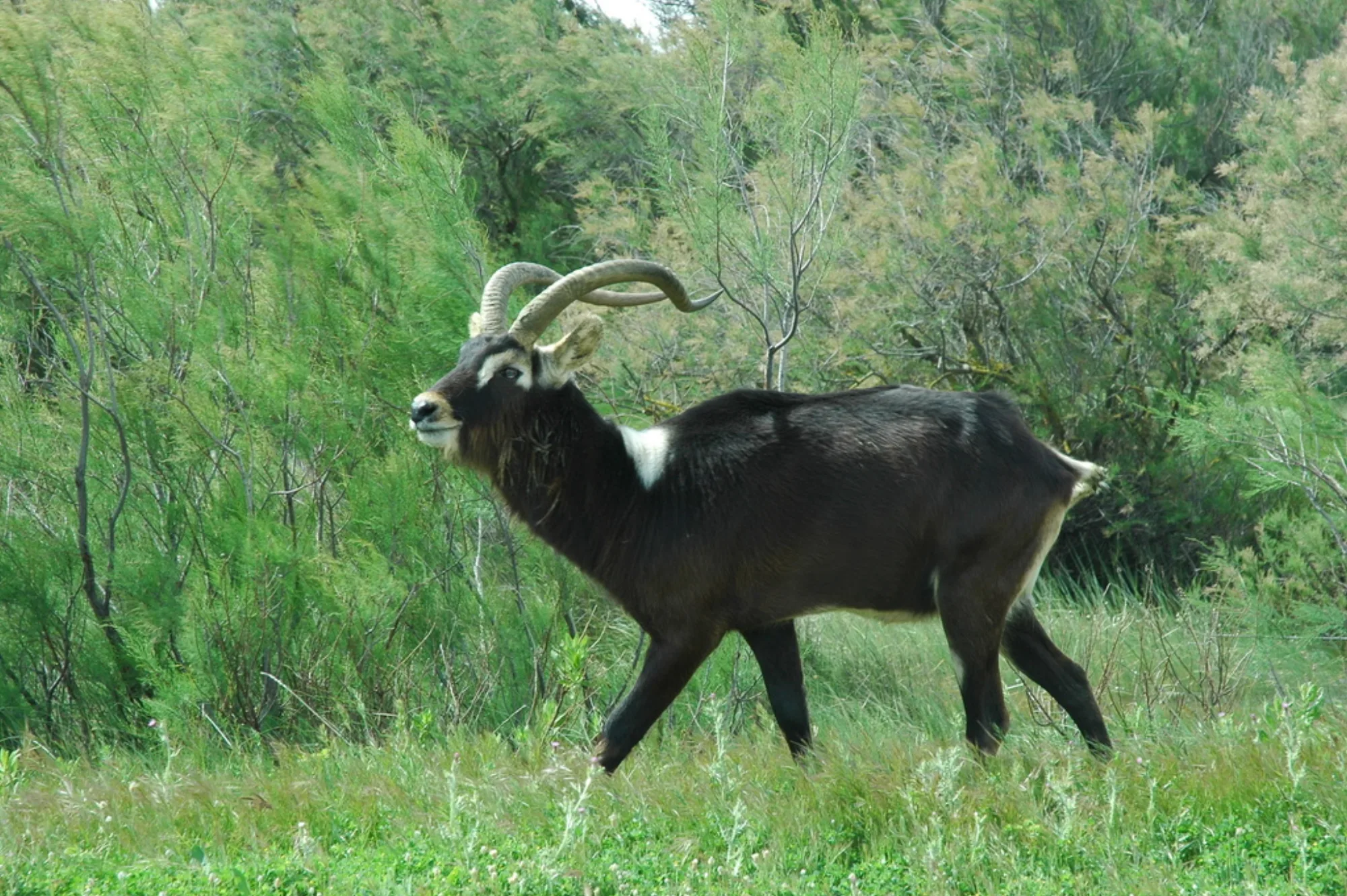
Spotted in the marshy grasslands of Ethiopia and South Sudan, the Nile lechwe is a medium-sized antelope with a shaggy coat. The species displays a striking physical difference between the sexes. Females and young animals are a golden-brown color, but as males mature, they turn a dark blackish-brown. These adult males are distinguished by a white patch across their shoulders and ridged, curved horns that can reach 87 cm in length. While the females are known for making a croaking sound like a toad, the males use visual displays and physical contests to establish dominance.
These antelopes are most active during the cooler hours of the early morning and late afternoon. They are specialized for life in the wetlands, often wading in water up to 40 cm deep to feed on succulent grasses, wild rice, and aquatic plants. Their social structure typically consists of three distinct groups: bachelor males, territorial mature males, and groups containing up to 50 females with their young. When breeding, males mark females by rubbing urine from their own throat hair onto the female's body. A single calf is born after a pregnancy of seven to nine months, remaining hidden in dense plants for its first few weeks of life.
Survival for this species is precarious. They face natural threats from predators like lions, crocodiles, and leopards, as well as health issues from warble fly infections. However, human activity is the primary pressure. Civil conflict, the spread of firearms, and intensive hunting have caused numbers to drop. Furthermore, their habitat is being degraded by human resettlement and the presence of large cattle herds, which limit the ability of the lechwe to move through their range with the seasons.
Written from the English Wikipedia article Nile lechwe (CC BY-SA 4.0).
- Atlas places
- 0
These are open occurrence records, so they show where people looked for and recorded the Nile Lechwe as much as where it lives. Cells are up to 25 km across, and every location is generalised to its cell.
No encounter zones yet
Where and when you can expect to see Nile Lechwe is calculated from observation density. No zones have been computed for this species yet.