Sichuan Taimen
Hucho bleekeri
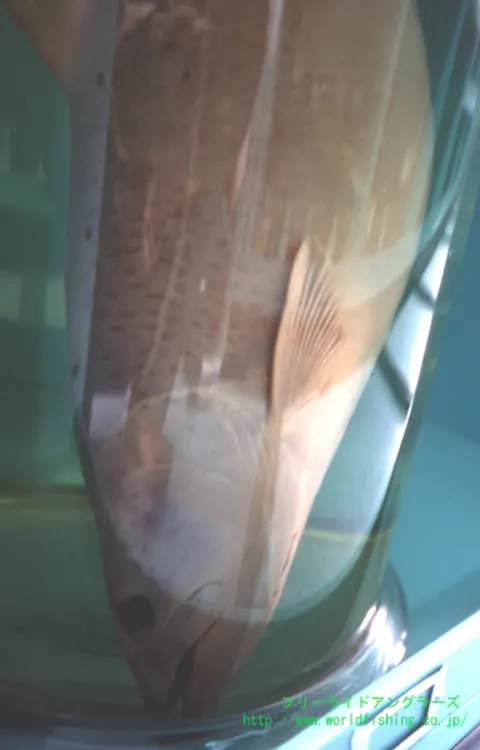
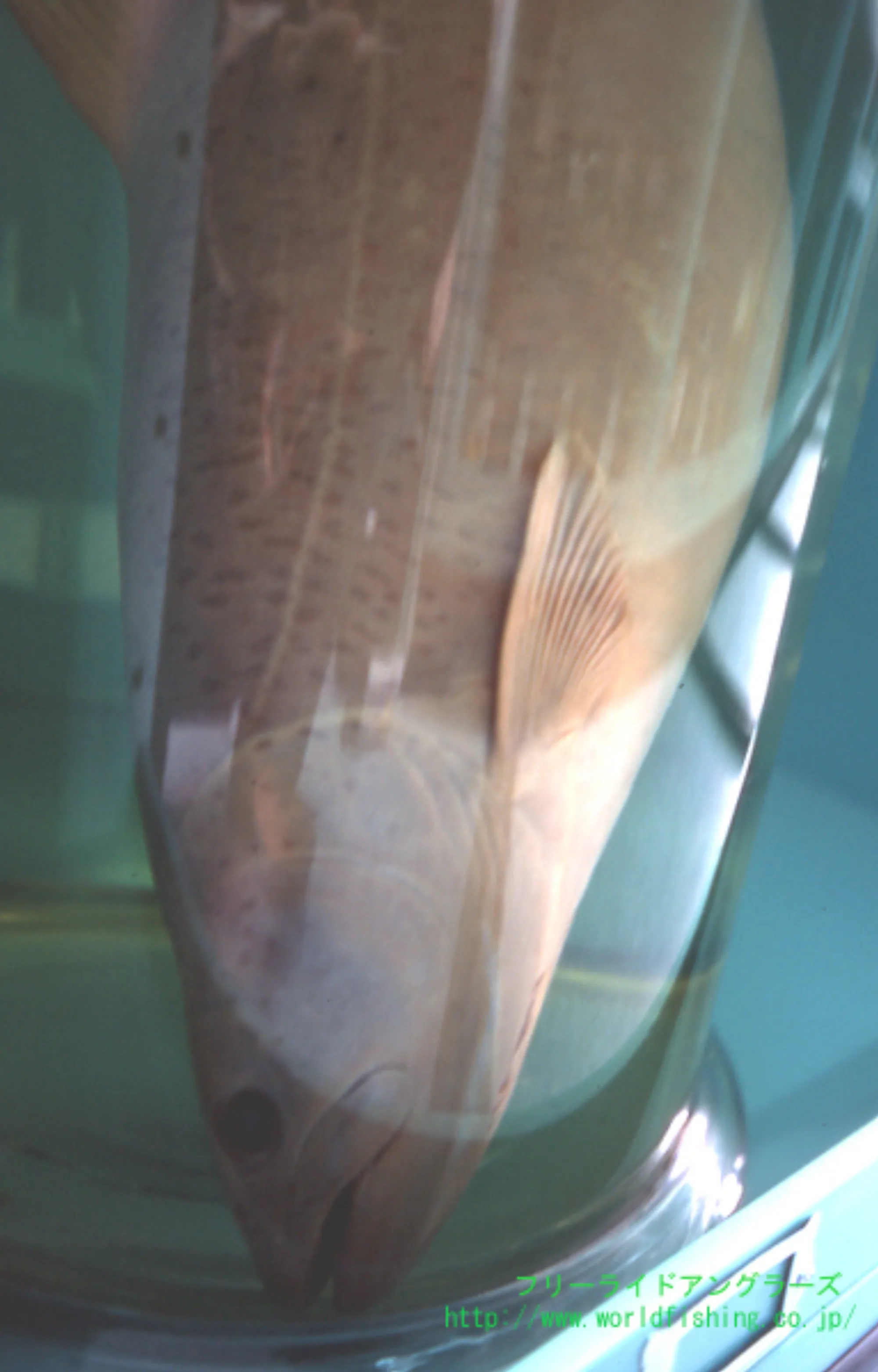
This cold-water salmonid, a relic from the glacial era, is endemic to the Yangtze basin in China. To find the Sichuan Taimen, travellers should look in mountain brooks and fast-flowing streams located between 700 and 3,300 meters above sea level. They prefer waters with high oxygen levels and temperatures below 15 °C. These fish are identifiable by their silver-white bellies and dark, irregular spots across the head and body. Depending on their age, their coloring shifts from a light tan or yellow to a deep orange-red. Fully grown adults can reach 72 cm in length and are distinguished by dark dorsal and adipose fins.
Sichuan Taimen are predators that hunt aquatic insects, worms, and other fish, while the younger juveniles consume zooplankton. During the breeding season from March to May, adults move to areas with slow currents and thick bankside vegetation to dig shallow, oval nests in soft riverbeds. Once the heavy yellow eggs are laid, they are buried in the sand to mature. Despite these natural cycles, the species has lost roughly 98% of its historical range since the 1960s. Today, they face extinction in several rivers due to illegal fishing and habitat destruction caused by road building, sand excavation, and deforestation. The construction of hydropower stations is a particularly severe threat, with one major dam project expected to ruin four known spawning sites.
Written from the English Wikipedia article Hucho bleekeri (CC BY-SA 4.0).
- Atlas places
- 0
These are open occurrence records, so they show where people looked for and recorded the Sichuan Taimen as much as where it lives. Cells are up to 25 km across, and every location is generalised to its cell.
No encounter zones yet
Where and when you can expect to see Sichuan Taimen is calculated from observation density. No zones have been computed for this species yet.