Hose's Palm Civet
Diplogale hosei
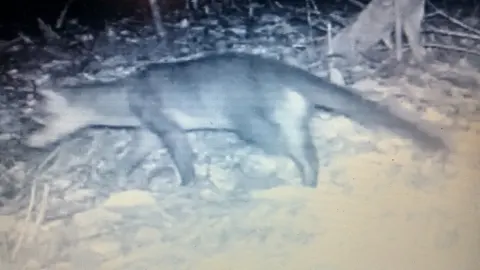
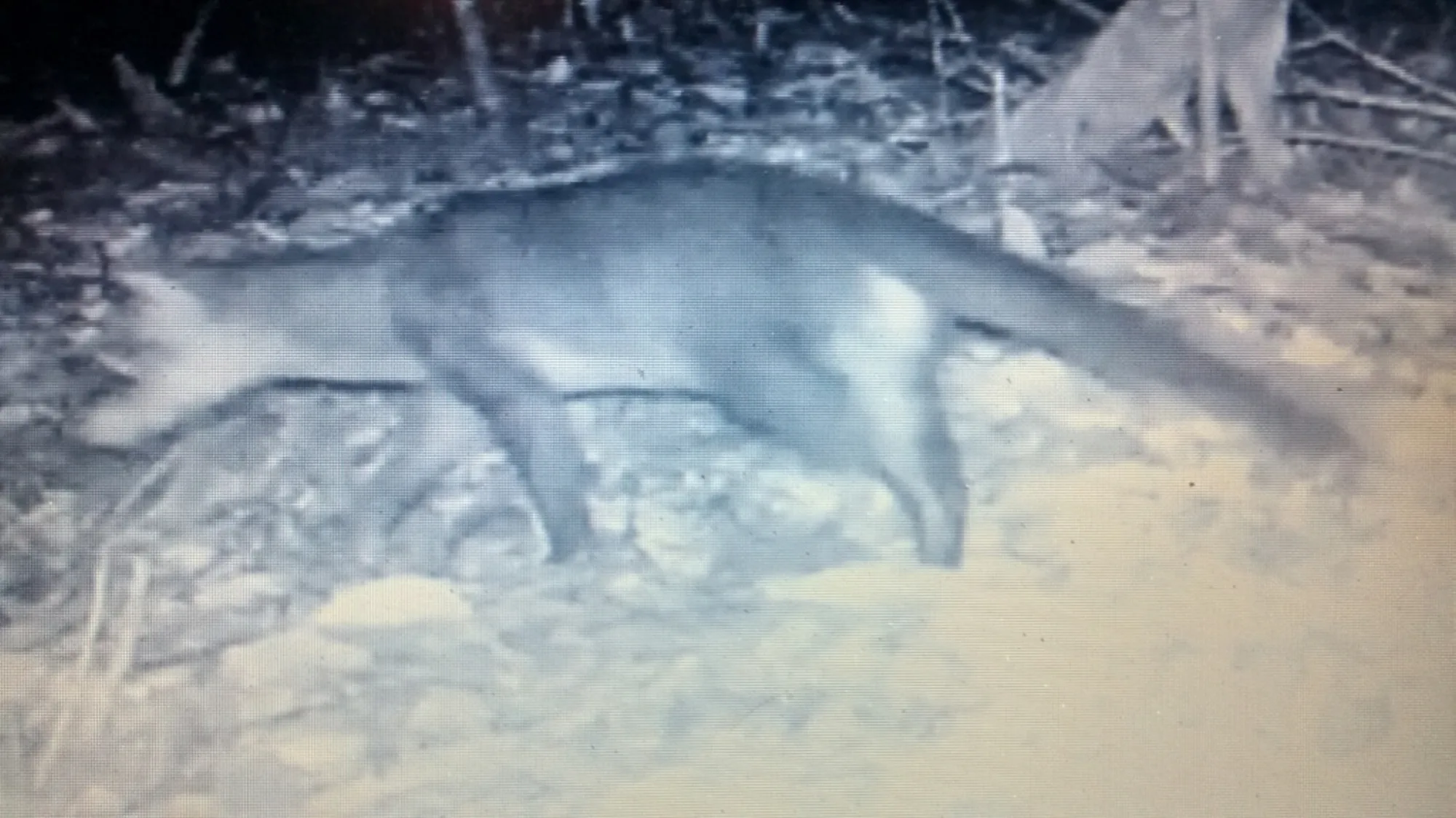
Found only on the island of Borneo, the Hose's Palm Civet is a elusive carnivore with a dark brown or blackish coat and a white underside. You can recognize it by its prominent, flesh-colored snout and exceptionally long white whiskers. This small animal typically weighs between 1.4 and 1.5 kilograms, and its feet are partially webbed with patches of hair between the pads. While most viverrids in the region eat fruit, the only individual ever kept in captivity preferred a diet of fish and meat.
These civets are active during the night and at twilight, and they spend more time on the ground than their relatives. They likely hunt for small fish, crabs, frogs, and insects among streams and mossy boulders. For shelter, they are thought to use holes between tree roots or rocks. Sightings are rare, but the species is known to inhabit mature dipterocarp forests and montane areas, often in highly humid environments like mossy forests. Though they have been recorded at 325 meters, they are frequently found at higher altitudes reaching up to 730 meters.
Travellers are most likely to encounter this species in the Malaysian states of Sarawak and Sabah or within Brunei. Some of the highest encounter rates have occurred in the Upper Baram region of Sarawak. The future of the Hose's Palm Civet is uncertain because of the destruction and degradation of its forest home. Logging and the conversion of land for other uses are major concerns, and hunting may pose an increasing risk to the few remaining populations.
Written from the English Wikipedia article Hose's palm civet (CC BY-SA 4.0).
- Atlas places
- 0
These are open occurrence records, so they show where people looked for and recorded the Hose's Palm Civet as much as where it lives. Cells are up to 25 km across, and every location is generalised to its cell.
No encounter zones yet
Where and when you can expect to see Hose's Palm Civet is calculated from observation density. No zones have been computed for this species yet.
Conservation status not assessed here yet, so every location is generalised to its grid cell.