Philippine Crocodile
Crocodylus mindorensis
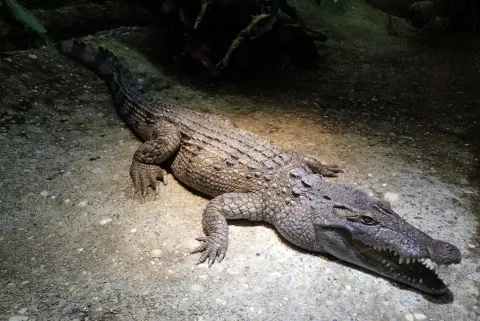
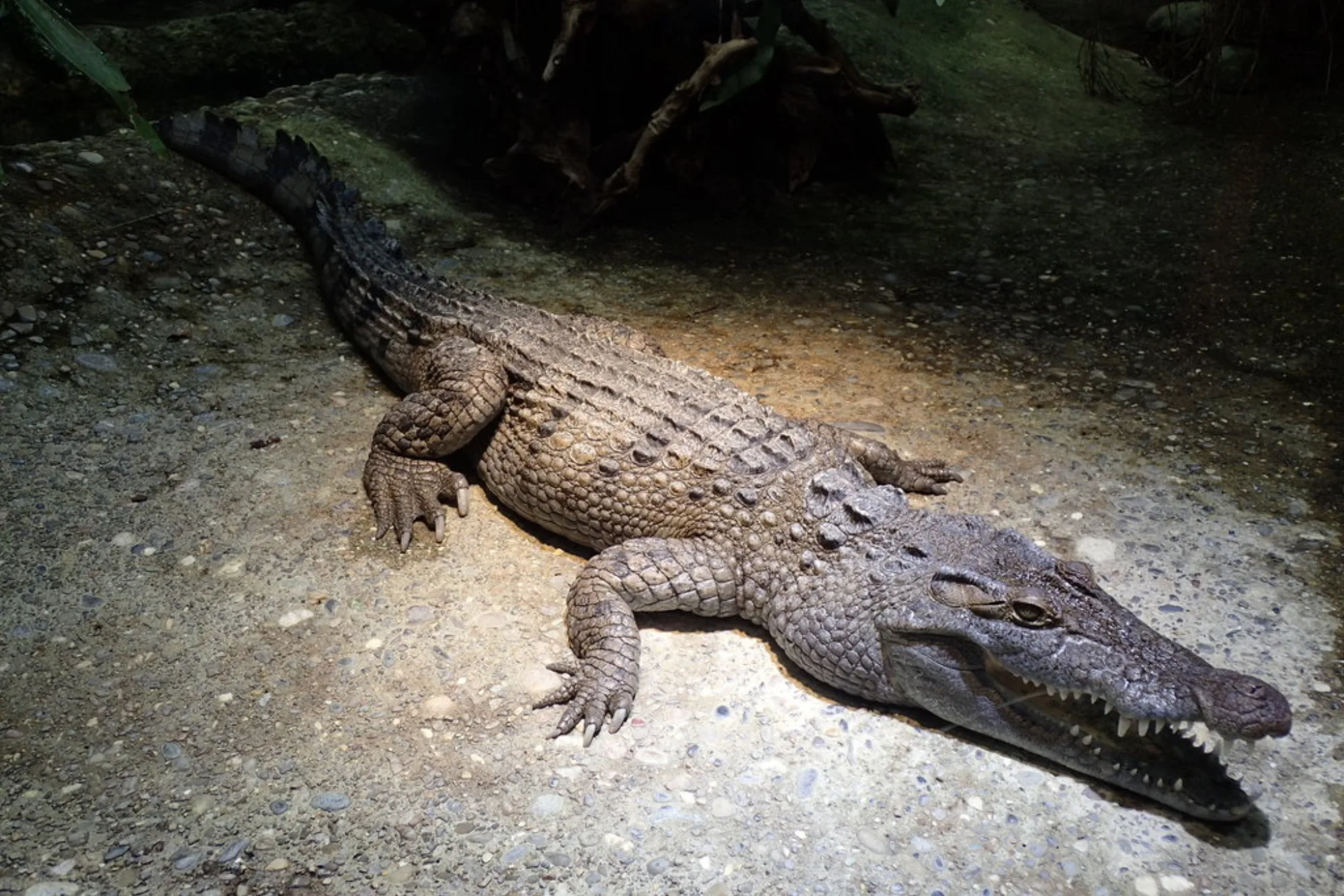
This golden-brown reptile, which darkens as it reaches maturity, is a relatively small species of freshwater crocodile found only in the Philippines. Known locally by names such as bukarot or nguso, it is distinguished by its wide snout and the heavy armor of bony plates across its back. While record-sized males can occasionally reach 3.5 m and weigh up to 210 kg, most adults do not exceed 2.7 m in length and 90 kg in weight. Both sexes are capable of breeding once they reach 1.5 m and 15 kg.
These crocodiles occupy various island habitats including the Northern Sierra Madre Natural Park, the Pulangi River, and the marshes of Ligawasan and Paghungawan. Their presence helps maintain the health of these ecosystems. They balance fish populations by preying on the most common species and consume a higher proportion of ailing fish than healthy ones. Furthermore, their droppings provide essential chemicals and nutrition for the local fish stocks. In the wild, their nests face unusual threats from invasive tropical fire ants, which have been recorded eating unhatched eggs.
Today, the Philippine Crocodile is considered the most severely threatened of all crocodile species, with an estimated population of only 100 non-hatchling individuals. Historically, they were found throughout the Visayas, but numbers have been cut drastically by the destruction of their habitat. Current survivors live in geographically isolated groups, a separation that decreases their genetic diversity. Major causes for their decline include the killing of crocodiles and the use of unsustainable fishing methods like dynamite fishing. While the species is now protected by law, they were once revered in pre-colonial beliefs as guardians of the spirit world.
Written from the English Wikipedia article Philippine crocodile (CC BY-SA 4.0).
- Atlas places
- 0
These are open occurrence records, so they show where people looked for and recorded the Philippine Crocodile as much as where it lives. Cells are up to 25 km across, and every location is generalised to its cell.
No encounter zones yet
Where and when you can expect to see Philippine Crocodile is calculated from observation density. No zones have been computed for this species yet.