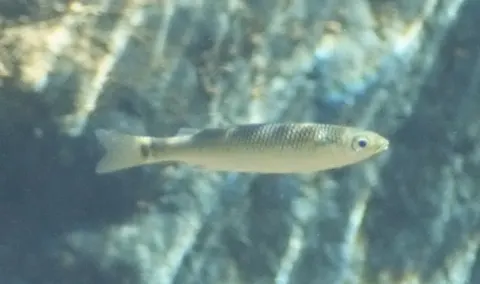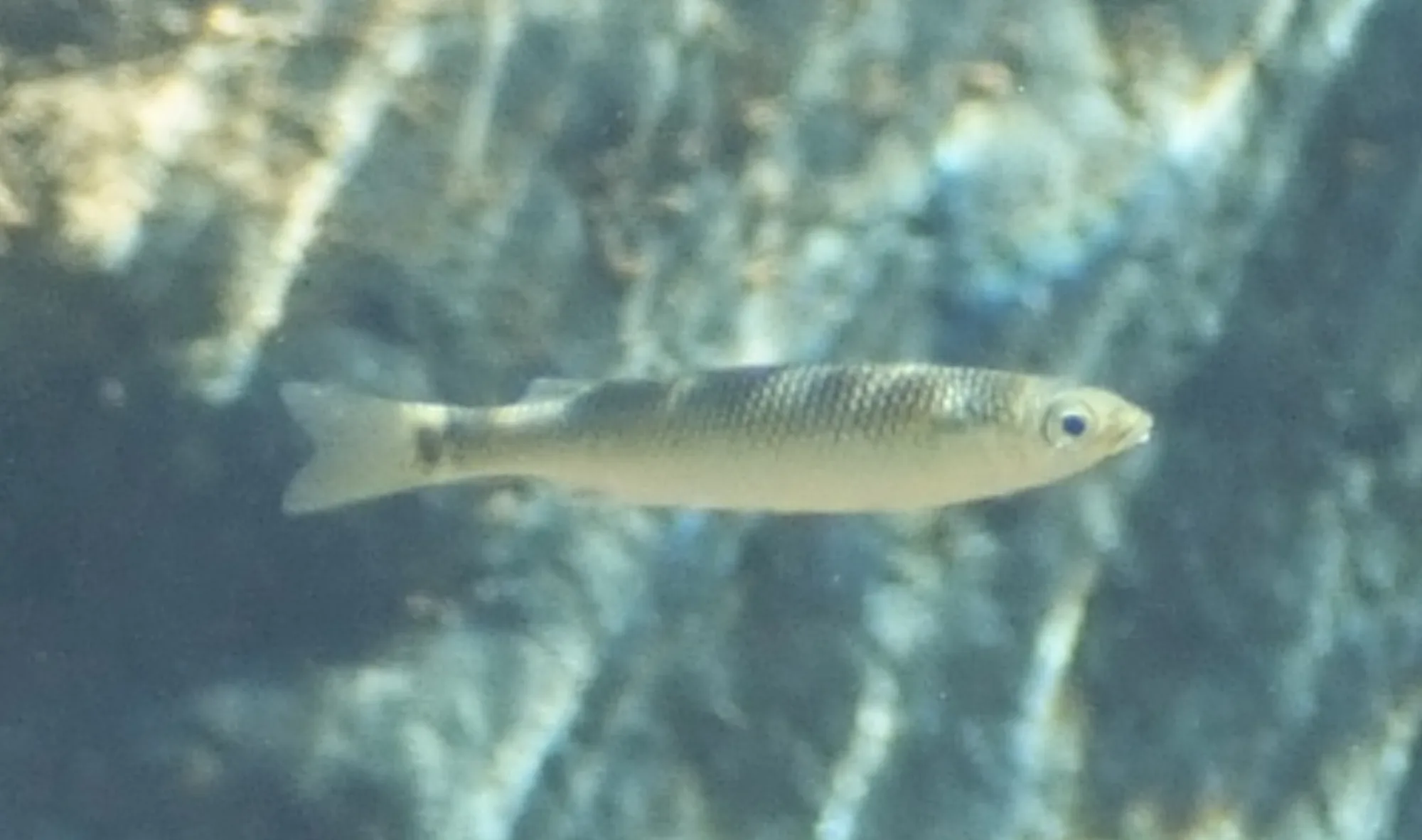
Lobed River Mullet
Cestraeus plicatilis
Often referred to as ludong or banak, the Lobed River Mullet is a freshwater fish prized for its distinct scent and flavor when prepared. Fully grown adults typically weigh between 0.25 and 2 kg. While some claim it is unique to specific river systems in the Philippines, such as the Cagayan and Santa-Abra, records suggest it may also inhabit Fiji, New Caledonia, and Celebes. Within these rivers, the fish favors deep pools and turbulent rapids where it can find the filamentous algae that make up its entire diet.
This species follows a catadromous life cycle, meaning it must travel to the ocean to reproduce. Between October and December, adults swim downstream to spawn in salt water before returning to upstream ponds. Young fish and adults then migrate back up the rivers from December through February. Because the fish only appears seasonally and is quite difficult to capture, it commands a very high price in local markets.
Heavy fishing pressure is the primary threat to this fish, driven by its high commercial value. Reports indicate that annual catches are shrinking and the individual fish being caught are becoming smaller. To protect the population, local regulations now ban the capture or sale of the mullet during its migration months. Specific equipment, including certain cast nets and fish pots, is also prohibited in the Cagayan and Santa-Abra systems during this time to prevent further decline.
Written from the English Wikipedia article Lobed river mullet (CC BY-SA 4.0).
- Atlas places
- 0
These are open occurrence records, so they show where people looked for and recorded the Lobed River Mullet as much as where it lives. Cells are up to 25 km across, and every location is generalised to its cell.
No encounter zones yet
Where and when you can expect to see Lobed River Mullet is calculated from observation density. No zones have been computed for this species yet.
Conservation status not assessed here yet, so every location is generalised to its grid cell.